Aseptic Operation Standard And Error Prevention For Blunt Tip Filled Needles
Nov 03, 2026
Pain Points
Even with well-designed blunt tip filled needles featuring 45° anti-coring bevel and 5 micron filter, human operational errors can nullify safety benefits. Common mistakes include reusing single-use needles, reversing flow and back-flushing the filter, aspirating at excessive speed, using the blunt filter needle for direct patient injection, incomplete disinfection and improper sharps disposal. In busy emergency and infusion settings, staff may skip steps to save time. Back-flushing pushes trapped glass and rubber particles through the filter into clean medicine. Direct patient injection with blunt filled needles fails to meet administration requirements and may cause tissue irritation. Cross-use between multiple drug vials creates cross-contamination risk. Training gaps lead to inconsistent judgment on filter clogging. Without structured error-prevention SOPs, the safety hardware advantage cannot translate into stable patient protection.
Working Principle
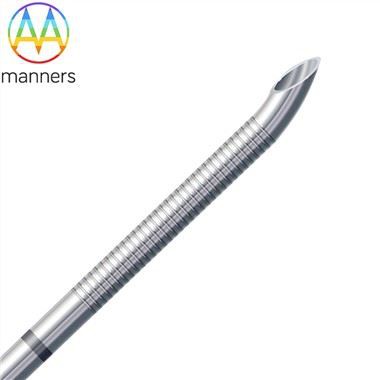
Blunt tip filled needles are single-use, one-way flow aseptic devices. The 45° bevel reduces stopper coring at entry. The 5 micron membrane only blocks particles when liquid flows from cannula toward syringe. Reverse flow breaks the capture mechanism and releases retained contaminants. The standard luer hub provides sealed connection only for a single preparation cycle. After aspiration, the filter membrane is saturated with intercepted particles. Reuse or back-flushing destroys its barrier function. The blunt geometry itself is designed for container access, not skin puncture and tissue delivery. The stainless steel cannula cannot replace sterile administration needles for patient injection. All safety functions depend on following the unidirectional, single-cycle aseptic workflow.
Device Classification
From error-prevention management perspective, blunt tip filled needles are divided into filter-equipped preparation type and non-filter blunt fill type. Filter-equipped version (core product): 14G–27G, 45° bevel, built-in 5μm filter, for withdrawal, reconstitution, IV bag access, must never be used for injection. Non-filter blunt fill version: same bevel and luer hub, no membrane, only for low-risk closed transfer without particulate control requirement. Custom-length products belong to the above two categories according to filter configuration. Packaging types include standard cartons and customer sterile packs, which should carry clear labeling to distinguish filter and non-filter variants, reducing picking errors in pharmacy stock.
Step-by-Step Operation Guide
Pre-operation check: Read label to confirm whether it is filter blunt tip filled needle. Check package integrity and expiry date. Prepare matched luer syringe and disinfection supplies.
Assembly: Attach needle firmly to syringe, verify luer seal without leakage. Disinfect vial stopper or ampoule neck and allow proper drying time.
Aspiration: Insert cannula with steady perpendicular pressure, use 45° bevel to avoid coring. Keep tip fully under liquid. Pull plunger slowly and continuously. Stop immediately if obvious suction resistance rises, which signals filter clogging. Do not force flow.
Flow discipline: Only draw liquid into syringe. No pushing liquid backward through the filter. This needle is for preparation only. After finishing withdrawal, remove the blunt tip filled needle and fit a new sterile administration needle before injecting to patients.
End of cycle: Discard used needle directly into puncture-resistant sharps container. Never recap, reuse, share for multiple drugs or store for later use. Record batch number in medication preparation log.
Practical Clinical & Compounding Experience
Root-cause analysis of adverse events shows back-flushing and direct injection are the top two human errors. Many newly trained staff confuse filter needles with administration needles. Visual reminder labels on pharmacy trays and electronic order prompts help reduce mix-up. When multiple preparations are done continuously, preparing enough spare blunt tip filled needles avoids the temptation to reuse clogged ones. Regular refresh training should include demo of failed filter samples and photos of coring damage caused by wrong insertion motion. Audit sampling can check whether staff replace needles between withdrawal and injection.
Summary & Value Elevation
Blunt tip filled needles deliver safety only within defined aseptic operation boundaries. Hardware design provides the foundation, while standardized error-control SOPs turn potential safety into reliable reality. The core boundary rules are simple: single-use, one-way withdrawal, preparation-only application and needle exchange before administration. Error prevention does not add excessive workflow burden; it protects the investment in safety consumables and prevents catastrophic particulate or contamination incidents caused by shortcut operations.
Industry Outlook & Suggestions
Medical device labeling and IFU (instructions for use) should highlight prohibition statements prominently. Hospitals can build checklist items for blunt filter needle use in electronic compounding systems. Manufacturers can add color-coded hub markers to distinguish preparation needles from administration needles at a glance. Future safety innovation can integrate passive disable features to prevent reverse flow, but frontline training and audit will remain irreplaceable pillars of error control for blunt tip filled needle application.