


What Is Fine Needle Aspiration Biopsy
Oct 31, 2024
Fine Needle Aspiration Biopsy (FNA): An Overview
Fine needle aspiration biopsy (FNA), also known as fine needle aspiration cytology, is a minimally invasive procedure used to evaluate suspicious tumors. This technique is frequently recommended when lung nodules are detected through imaging techniques like X-rays or CT scans, especially to determine whether a lung mass is malignant or benign.

How Fine Needle Aspiration Biopsy is Performed
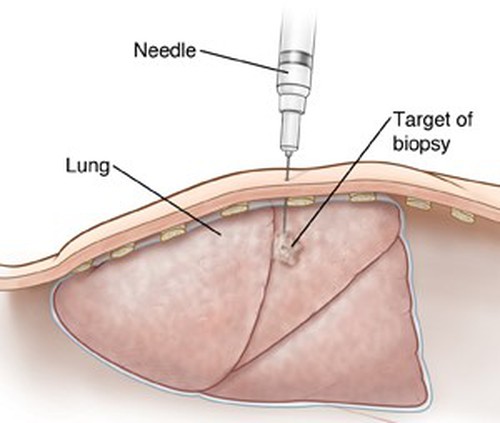
During an FNA procedure, a thin, hollow needle is inserted through the skin to collect small tissue samples from a suspected tumor. A radiologist or specialist often guides the needle using ultrasound or CT imaging to ensure precise placement. The sample is then sent to a pathology lab, where it is examined under a microscope to assess the cells' appearance and detect any cancerous changes.
For lung biopsies, the needle is carefully inserted into the chest and targeted precisely to a lesion in the lung. This process requires an experienced specialist, as lung tissue is delicate, and positioning is crucial to minimize risks like bleeding and pneumothorax (lung collapse).
What to Expect from FNA Results
Diagnostic Accuracy and Limitations:
FNA biopsies have proven effective for diagnosing many types of tumors, with a diagnostic accuracy rate of around 90% for lung cancer. However, the specificity of FNA can vary. Studies suggest an approximate 81% specificity rate, which means there is a small chance of false-positive or false-negative results. Therefore, FNA is often combined with other diagnostic tests to improve accuracy.
In some cases, when tumor location makes FNA challenging, or if the initial sample is inadequate, a follow-up biopsy may be necessary. Additionally, tumors that are particularly hard to access might require alternative biopsy methods.
Benefits of Fine Needle Aspiration Biopsy
FNA offers several advantages over more invasive biopsy methods. Unlike open surgical biopsy, FNA requires no large incisions, making it a quicker and less painful alternative. Recovery time is significantly reduced, and patients usually experience minimal scarring. As a result, FNA is generally safer for older adults and those with health conditions that make surgery riskier.
Potential Complications and Side Effects of FNA
While FNA is minimally invasive, it does carry certain risks:
1. Bleeding
Bleeding is one of the most common side effects, especially among elderly patients. Patients should inform their physician of any blood-thinning medications, herbal supplements, or over-the-counter drugs they are taking, as these can increase bleeding risk. Minor bleeding may occur at the biopsy site, while lung biopsies carry a risk of internal bleeding, particularly in patients with existing lung conditions.
2. Pneumothorax (Collapsed Lung)
Pneumothorax is a well-documented complication of lung FNA, affecting nearly half of patients undergoing lung biopsies to some degree. A small percentage may require a chest tube to help re-inflate the lung if it doesn't recover on its own. Physicians are trained to monitor for pneumothorax symptoms post-procedure and address them promptly if they occur.
3. Tumor Cell Spread (Seeding)
Although rare, there is a possibility of tumor seeding. This occurs when cancer cells adhere to the needle and are displaced along its path, potentially leading to new tumor growth at that location. Tumor seeding is a known but infrequent complication, documented in specific cancer types.
4. Infection
Like all invasive procedures, there is a risk of infection at the biopsy site. Doctors typically follow strict sterile protocols to prevent infections. If patients notice redness, swelling, or fever after the procedure, they should seek medical attention.
Patient Preparation and Post-Procedure Tips
To ensure a successful FNA biopsy and minimize risks, patients are advised to follow specific preparation steps:
- Medication and Supplement Disclosure: Patients should inform their doctor of any medications, supplements, or herbal remedies to manage bleeding risks.
- Avoid Heavy Activity Post-Biopsy: For lung FNA, patients should avoid strenuous activities for a day or two to reduce the risk of pneumothorax.
- Follow-Up and Results: Biopsy results may take several days to two weeks. Patients are encouraged to follow up with their healthcare provider to review and interpret their results.
Frequently Asked Questions About Fine Needle Aspiration Biopsy
1. How long does it take to recover from an FNA biopsy?
Most patients recover within 24 hours after an FNA biopsy, though minor soreness may persist. Resting and avoiding strenuous activities can help speed up recovery.
2. What if FNA results are inconclusive?
Inconclusive FNA results may require a second biopsy or an alternative method to obtain a larger tissue sample.
3. Are there any lifestyle changes to consider before and after an FNA?
While FNA is low-risk, patients on blood thinners may need to adjust their medication under medical guidance. It's also recommended to avoid smoking before and after a lung FNA, as smoking can complicate healing and increase pneumothorax risk.
4. Can FNA be used for tumors in other body parts?
Yes, FNA is used for diagnosing tumors in many parts of the body, including lymph nodes, the liver, thyroid, and breast tissue.


