What does general anesthesia use for injection anesthesia
Nov 07, 2022
It mainly includes general anesthesia, local anesthesia and compound anesthesia. It is also divided into inhalation anesthesia, intravenous anesthesia (see general anesthesia) and basic anesthesia according to the way anesthetics enter the body. Basic anesthesia is a combination of certain general anesthetics (commonly sodium thiopental)
Ketamine) is injected intramuscularly to put the patient to sleep and then anesthesia is administered. Local anesthesia is the use of a local anesthetic such as procaine, lidocaine, etc., to temporarily lose sensation in a part of the body. The commonly used methods include spinal anesthesia (block), nerve block, regional block, local infiltration anesthesia and surface anesthesia. Intraspinal anesthesia is the injection of local anesthetics into the spinal canal through spinal puncture, among which the injection into the subarachnoid space is called subarachnoid block or lumbar anesthesia, and the injection into the epidural space is called epidural block. Nerve block is the injection of local anesthetics into a nerve trunk (plexus) in the body to produce pain block in the innervated area. Common nerve blocks include cervical plexus block and brachial plexus block. Regional block is to inject local anesthetics around the surgical site to block the nerve endings in the surgical area and achieve the purpose of anesthesia. Local invasive anesthesia is a common anesthesia method used in clinical minor surgery, where local anesthetics are directly injected into the surgical site and evenly distributed to all layers of tissues throughout the surgical area to block the conduction of pain. Surface anesthesia refers to spraying or coating a permeable local anesthetic such as tetracaine on the surface of mucous membrane and conjunctiva to produce anesthetic effect.
Compound anesthesia refers to the simultaneous or sequential application of two or more anesthetic drugs, auxiliary drugs (such as analgesics and antipsychotic drugs) or anesthesia methods, so that they can complement each other to enhance the anesthetic effect, ensure the safety of patients, and meet the special requirements of some operations. Such as fentanyl, haloperidol and other neuroleptic analgesia anesthesia; Hypothermia anesthesia in which physical cooling (whole body ice bath) is applied under general anesthesia, thereby reducing systemic metabolism and enhancing tissue tolerance to hypoxia; The use of antihypertensive drugs such as sodium nitroprusside, so that the arterial blood pressure temporarily dropped to the appropriate level, in order to reduce surgical bleeding, easy to operate the controlled hypotension. And combined with the application of acupuncture or Chinese herbal medicine and analgesic antipsychotic compound anesthesia. Anesthesia should be selected according to the condition and surgical needs, indications and contraindications of anesthesia methods.
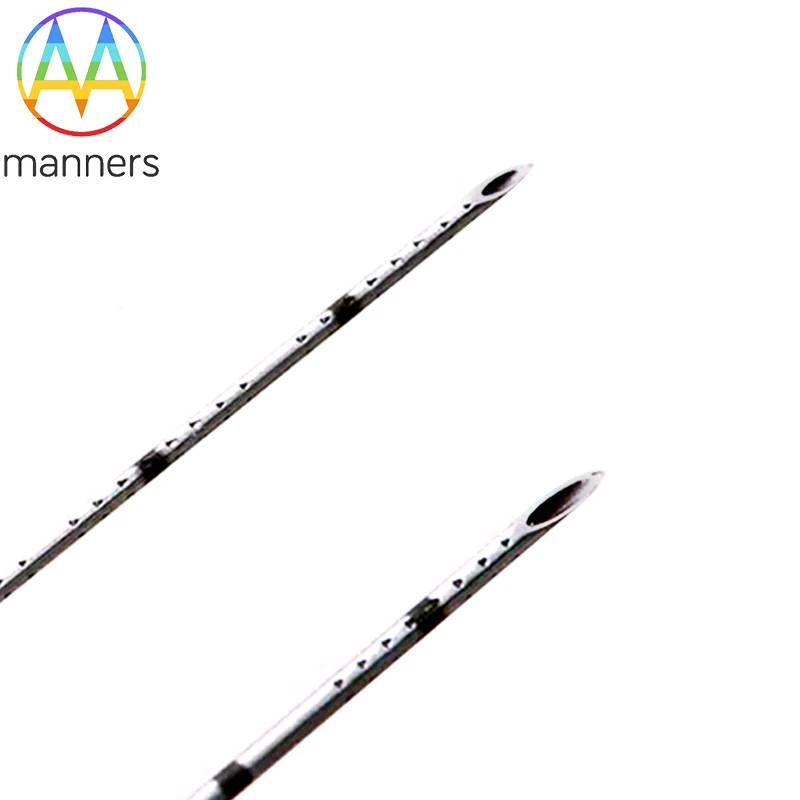
If you have any questions, please contact us. Our company can produce various customized needles, medical needles, puncture needles, hypodermic needles, biopsy needles, vaccine needles, injection needles, syringe needles, veterinary needles, pencil point needle, ovum pick up needles, spinal needles, etc. If you need customized needle products, please contact us. We look forward to your inquiry! The quality of the products manufactured in our factory will surely satisfy you!
Please contact us if you need: zhang@sz-manners.com