Unlocking the Secrets: Lumbar Puncture Needle Design and Function Demystified
Apr 16, 2024
Lumbar puncture needles are crucial tools in medical diagnostics and therapeutics, allowing for the collection of cerebrospinal fluid and administration of medications. This article delves into the intricate design principles and functional aspects of lumbar puncture needles, shedding light on their importance in clinical practice.
Basic Structure and Components of Lumbar Puncture Needles:
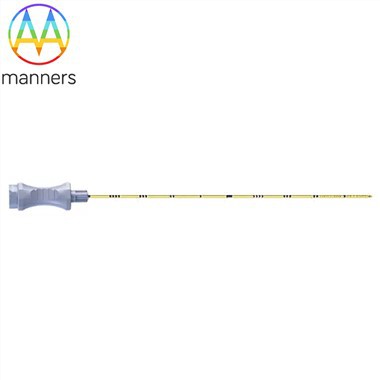
Lumbar puncture needles consist of several key components, including the needle body, tip, hub, and stylet. The needle body is typically hollow to allow for fluid collection, while the stylet provides rigidity during insertion. The hub serves as a connection point for syringes or other devices, facilitating fluid withdrawal or injection.
Design Principles and Working Mechanism:
The design of lumbar puncture needles is engineered to achieve precise penetration of the skin, subcutaneous tissue, and dura mater. The beveled tip and tapered shape of the needle facilitate smooth insertion, while minimizing trauma to surrounding structures. Once inserted, the needle can be advanced through the spinal canal to the desired depth, allowing for the collection of cerebrospinal fluid or delivery of medications.
Characteristics and Applications of Different Types of Lumbar Puncture Needles:
Various types of lumbar puncture needles are available, each with its own unique characteristics and applications. Traditional needles feature a sharp beveled tip for puncturing the dura mater, while atraumatic needles incorporate safety features to reduce the risk of post-dural puncture headache. Additionally, microcatheter needles enable precise delivery of medications or contrast agents into the spinal canal, making them ideal for interventional procedures.
Role of Lumbar Puncture Needles in Medical Diagnostics:
Lumbar puncture needles play a crucial role in diagnosing a variety of neurological and infectious diseases. Cerebrospinal fluid obtained through lumbar puncture can provide valuable insights into conditions such as meningitis, encephalitis, and multiple sclerosis. Furthermore, lumbar puncture may be performed to measure intracranial pressure or administer contrast agents for imaging studies.
Safety Considerations and Operating Techniques:
Safety is paramount when performing lumbar puncture procedures to minimize the risk of complications such as infection, bleeding, or nerve injury. Proper patient positioning, sterile technique, and use of local anesthesia are essential for ensuring patient comfort and procedural success. Additionally, operators must be proficient in needle insertion techniques and able to recognize and manage potential complications promptly.
Technological Innovations and Future Trends:
Advancements in needle design and technology continue to improve the safety and efficacy of lumbar puncture procedures. Automated needle insertion devices, real-time imaging guidance systems, and novel needle materials are among the innovations shaping the future of lumbar puncture. These developments hold promise for enhancing procedural outcomes, reducing complications, and expanding the scope of lumbar puncture applications.
Clinical Cases and Practical Insights:
Real-life clinical cases provide valuable insights into the challenges and nuances of performing lumbar puncture procedures. From patient selection and preparation to procedural techniques and post-procedure care, clinicians share their experiences and lessons learned to guide best practices and optimize patient outcomes.
Conclusion:
In conclusion, lumbar puncture needles are indispensable tools in modern medicine, enabling clinicians to obtain essential diagnostic information and deliver targeted therapies. Understanding the design principles and functionality of these needles is essential for safe and effective procedural performance. As technology continues to evolve, lumbar puncture procedures are poised to become even safer, more precise, and more widely applicable in clinical practice.