


Is the Pain-Free Egg Retrieval Procedure Really Painless?
Dec 02, 2024
Introduction: What Is the Egg Retrieval Needle?
Egg retrieval is a critical step in the IVF (in vitro fertilization) process. It's the moment when eggs are collected from the ovaries for fertilization in the lab. Many women find the idea of the egg retrieval needle a bit daunting-its length and the purpose it serves can seem intimidating. But, with modern anesthesia techniques, many patients wonder: is egg retrieval really as painful as it sounds? Or is it possible to have a pain-free experience?
In this article, we'll dive into the details of the egg retrieval procedure, the egg retrieval needle, and whether or not it's as painful as some may fear.
What Exactly Is an Egg Retrieval Needle?
An egg retrieval needle is an essential tool used during the IVF procedure to collect eggs from the ovaries. The needle, typically between 35 and 40 cm long, is inserted through the vaginal wall under ultrasound guidance to reach the ovaries. Once in place, it uses suction to extract eggs from the follicles.
Despite its seemingly intimidating size, the needle is designed for precision and comfort. Most of the needle remains outside the body, with only a small portion entering the vaginal cavity to reach the ovaries.

▲ The Egg Retrieval Needle in Action

▲ The Egg Retrieval Needle Structure
So, Is Egg Retrieval Really Pain-Free?
For many women, the thought of undergoing egg retrieval is tied to the fear of pain. After all, the egg retrieval needle is long, and it does penetrate the body to reach the ovaries. But is the procedure as painful as it seems?
The good news is that with modern techniques, most patients find the procedure much more comfortable than they expected. Thanks to sedation, the procedure is often pain-free.
How Sedation Makes It Pain-Free
The key to a pain-free egg retrieval procedure is intravenous sedation (IV sedation). This method involves administering a sedative through an IV, allowing the patient to relax and fall asleep during the procedure. Most patients report not remembering anything about the egg retrieval, as they are fully sedated and unaware of the process.
In just a few minutes, the sedative takes effect, and the egg retrieval is completed-usually in about 10 to 15 minutes. When the patient wakes up, they might feel a little groggy, but they don't experience any pain or discomfort from the needle insertion.

▲ IV Sedation for Comfort
Does the Size of the Needle Affect the Pain?
The egg retrieval needle is indeed long, measuring around 35 cm. However, most of this needle stays outside the body. The needle is thin (usually about 17-20 gauge), so it doesn't cause excessive trauma. The real concern for many is the fear of the needle's size. In reality, the discomfort felt from the needle is minimal when proper sedation is used.
Without sedation, the procedure can be painful, but when sedatives are applied, the discomfort is almost entirely removed. After the procedure, some patients may feel a mild cramp or bloating, similar to what they would feel during a heavy period. But this discomfort usually fades within a few hours.
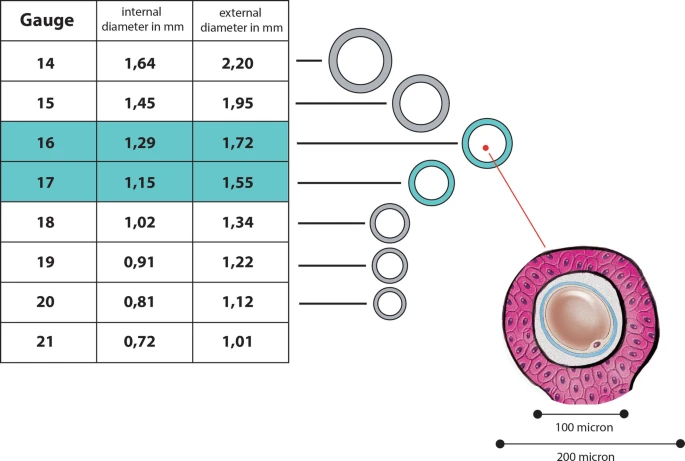
▲ Comparison of Needle Sizes
Does Sedation Affect Egg Quality?
One common question patients ask is whether the sedative drugs used during egg retrieval could affect the quality of the eggs. The answer is no.
The sedative drugs used in pain-free egg retrieval are designed to act quickly and are metabolized quickly by the body. These drugs target the central nervous system, but they don't reach the ovaries or the eggs. Therefore, the quality of the eggs collected is not compromised in any way by the sedation.
Studies have shown that sedation does not impact egg quality, fertilization rates, or embryo development. The process is just as effective whether sedation is used or not.
What Are the Risks of Pain-Free Egg Retrieval?
Although the pain-free option is widely considered safe, there are a few potential risks. These risks are similar to those of any surgical procedure.
- Infection: As with any procedure involving needles, there is a slight risk of infection. However, strict sterile techniques minimize this risk significantly.
- Ovarian Hyperstimulation Syndrome (OHSS): Some women may experience swelling of the ovaries due to hormone treatments. This condition is rare but can cause discomfort after egg retrieval.
- Bleeding: Some minor bleeding may occur after the procedure, but it is usually brief and not concerning unless excessive.
The risks associated with pain-free egg retrieval are minimal and can usually be managed by the medical team.

▲ Medical Staff Ensuring Safe Procedures
Frequently Asked Questions (FAQs)
1. Is egg retrieval painful?
With the use of IV sedation, most patients experience minimal to no pain. Afterward, some mild cramping may occur, but it typically resolves within hours.
2. How long does the egg retrieval procedure take?
The procedure usually takes about 10-15 minutes. Afterward, you'll be monitored for a short period before going home.
3. Do I remember the egg retrieval procedure?
No, you'll likely have no memory of the procedure due to the sedation. Most women feel relaxed and calm during the process.
4. How big is the egg retrieval needle?
The needle is around 35 cm long but most of it remains outside the body. The needle gauge typically ranges from 17G to 20G, ensuring a smooth procedure.
5. Will sedation affect my egg quality?
No, the sedation does not affect the quality of the eggs. The sedative drugs do not reach the ovaries, so egg quality remains unaffected.
6. What can I expect after the procedure?
You may experience some cramping, bloating, or spotting. These symptoms typically resolve within a few hours, and you can resume normal activities in a day or two.
Conclusion: Pain-Free Egg Retrieval is Possible
The egg retrieval process doesn't have to be painful. Thanks to sedation, many women can undergo the procedure without discomfort. While the needle itself may seem intimidating, it's designed for precision and minimal trauma. The biggest takeaway? Egg retrieval is a relatively quick and safe process, and with proper care, the pain is often a non-issue.
If you're considering IVF or egg donation, it's important to discuss your options for pain management with your fertility specialist. Rest assured, there are ways to ensure your experience is as comfortable as possible.


