How is thyroid nodular puncture puncture puncture immovable to return a responsibility
Nov 10, 2022
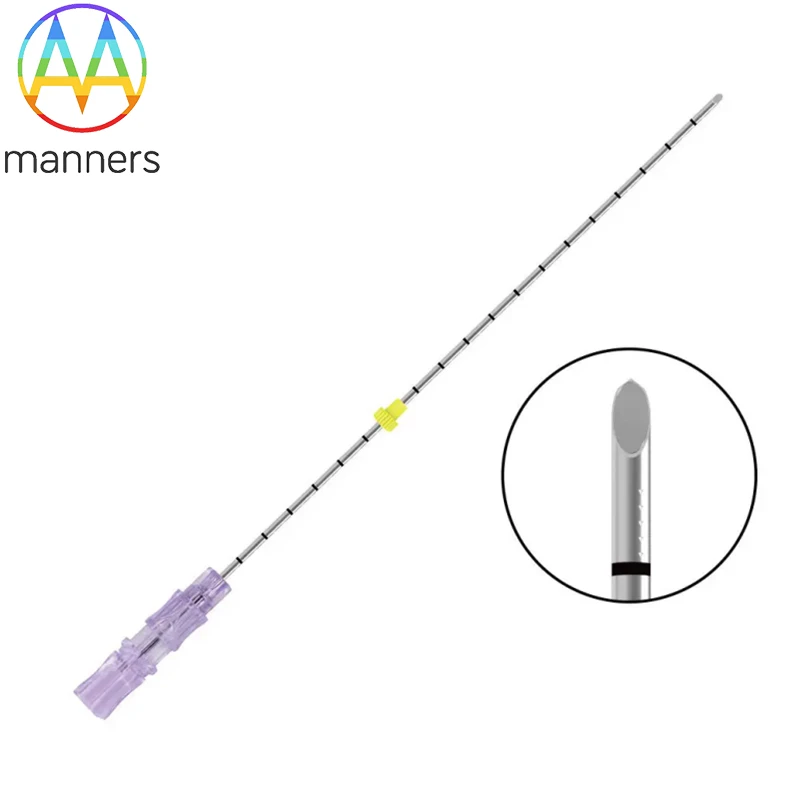
But at the same time, biopsy is also a kind of harm to the body, and there may be damage, so when is the fine needle needle biopsy performed? The following is my introduction: The clinical management of thyroid nodule should be based on the results of ultrasound and FNA biopsy. The new guidelines say thyroid ultrasound should be performed when patients are at risk for thyroid malignancy, have palpable nodules, multinodular goiters or enlarged lymph nodes with suspected malignant lesions. Based on the examination results, determine whether ultrasound-guided fine needle puncture biopsy is necessary. In the process of ultrasound examination, FNA biopsy is recommended for nodules meeting the following conditions: ① solid hypoechoic nodules with a diameter greater than 10 mm. ② Ultrasonography of thyroid nodules of any size with suspected extracapsular growth or cervical lymph node metastasis. ③ Patients with a history of cervical radiation exposure in childhood or adolescence; First-degree relatives of patients with papillary thyroid carcinoma (PTC), medullary thyroid carcinoma (MTC), or multiple endocrine adenomatosis type 2 (MEN2); A history of thyroid cancer; Increased calcitonin levels measured in the absence of any disturbing factors. (4) Nodules less than 10 mm in diameter, but ultrasonography showed signs associated with malignant lesions [hypoechoic and/or irregular border, slender shape, micro-calcification or disturbance of blood flow signal within the nodules]. For multinodular goiter: ① When the nodules conform to the above ultrasound malignant signs, FNA biopsy is rarely required for more than 2 nodules; ② FNA biopsy could not be performed when "hot" nodules were detected by isotope scanning. ③ In the presence of suspected lymphadenopathy, FNA biopsy should be performed on enlarged lymph nodes and suspected nodules simultaneously. For mixed (solid) thyroid nodules: ① UGFNA biopsy was performed on the solid part of the nodules; ② At the same time, FNA biopsy samples and fluid samples were cytologically examined. For accidental thyroid tumors: ① the treatment should be based on the diagnostic criteria of thyroid nodules; ② For unexpected tumors found by CT or magnetic resonance imaging (MRI), ultrasound examination should be performed before UGFNA. ③ For accidental tumors detected by 18F-fluorodeoxyglucose-positron emission tomography (PET), due to the high risk of malignancies, ultrasound and UGFNA should be performed simultaneously. The above not only introduced the need for biopsy, but also let us know some requirements for biopsy of thyroid nodule diseases, so as to achieve the purpose of biopsy and the accuracy of disease diagnosis.