

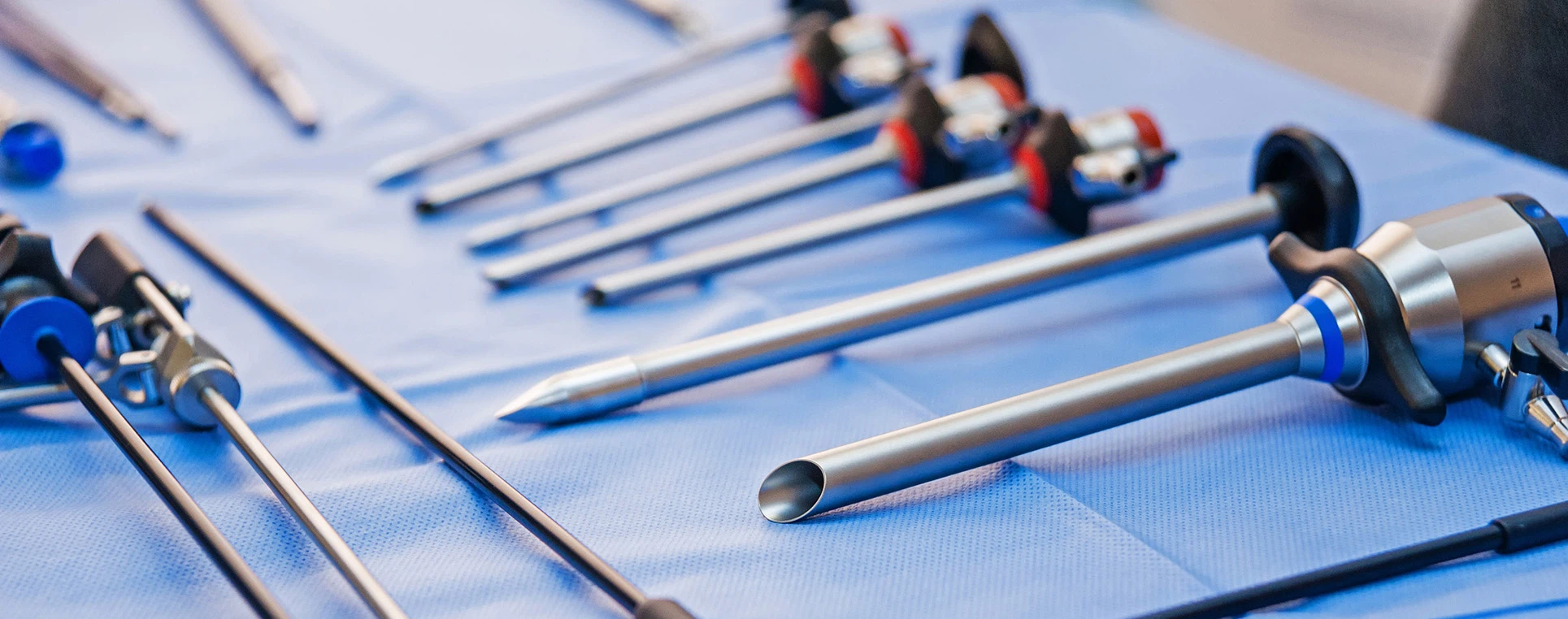


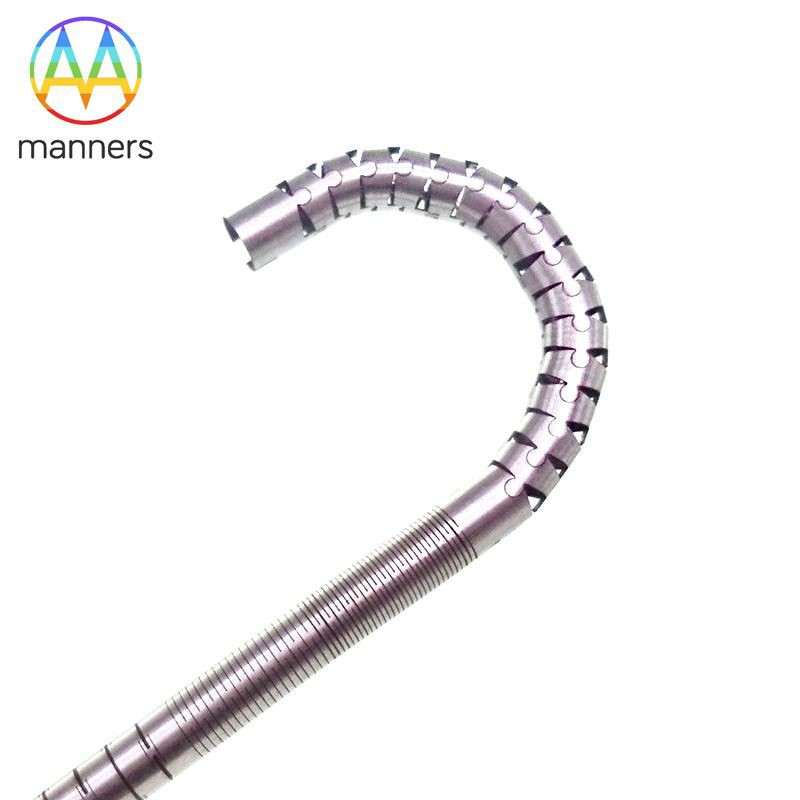
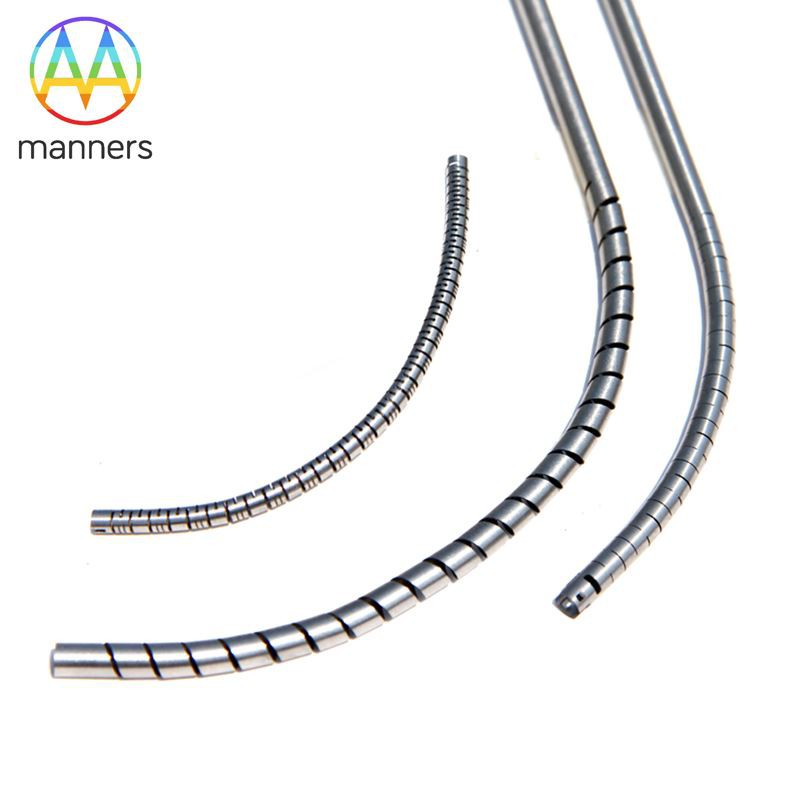
Endoscope Snake Bone Tubes
Product specification Product show 1. Check the size of the extension hole. Checking the size of the entry hole will limit the tube diameter (or working diameter) of the endoscope. 2. Approach path of detection point. If the approach path to the detection point is short and linear, rigid...
Description
Product specification
Product name | Endoscope snake bone tubes |
material | Stainless steel, etc. |
Surface Treatment | Anodizing, Sandblasting, Painting, Powder coating, Plating, Silk Printing, Brushing, Polishing, Laser Engraving |
Machining Option | Turning, grinding, milling, welding, bending, drilling, swaging, flaring, slot-cutting, stamping, deep-drawing, capping, beveling, etc. |
Custom feature | According to your 2D/3D Drawing or sample provided |
Package | Standard carton or according to customer's requirement |
Certification | ISO9001:2015, SGS |
Product show
1. Check the size of the extension hole. Checking the size of the entry hole will limit the tube diameter (or working diameter) of the endoscope.
2. Approach path of detection point. If the approach path to the detection point is short and linear, rigid endoscope is more suitable for detection work; If it is a curved (or tortuous) approach, flexible endoscope or flexible flexible electronic image endoscope must be used
3. Check the position of the extension hole. During detection, the objective lens of the endoscope must be extended to the position close enough to the detection point (or the object to be tested) before detection can be carried out. Checking the position of the insertion hole will determine the observation Angle, observation direction, approach route and operation length of the endoscope.
4. The distance between the objective lens and the subject. Whether using standard or high-intensity light sources, the distance between the objective lens and the subject will directly affect the amount of illumination required, and the objective lens will also need to take advantage of the best Angle of view to achieve the best image resolution and maximum magnification.
5. The size of the defect. Defects in the tested materials varied widely in size, ranging from hair-fine cracks to larger damage cracks. The size of these defects is an important reference factor in selecting the magnification, viewing Angle, focusing ability and lens resolution of the endoscope, so as to obtain appropriate and clear defect images.
6. Outline size of the inspected object. The contour of the subject includes the size of the whole subject, the crack or crack, as well as the deformation and other parts, which is one of the most important factors in determining the Angle of view and the brightness of the light source.



Our factory



Our Certification


Endoscope snake bone tubes
Hot Tags: endoscope snake bone tubes, China, suppliers, manufacturers, factory, customized, custom, cheap, low price, made in China


