Workflow Efficiency Optimization Of Breast Biopsy Procedure
Sep 25, 2026
1. Clinical Pain Points
Traditional breast biopsy procedures have cumbersome operation processes and low clinical workflow efficiency. Preoperative preparation, instrument assembly, positioning debugging and postoperative finishing lack standardized processes, resulting in long single operation time and low clinical throughput. Ordinary biopsy needles have complex assembly and disassembly steps, increasing preoperative preparation time. Unreasonable puncture path planning and repeated positioning adjustment prolong intraoperative operation time. In addition, the lack of standardized postoperative sample processing and wound care processes leads to low overall procedural efficiency, affecting the daily diagnosis volume of breast diseases and increasing the working burden of clinical medical staff.
2. Core Working Principle
The workflow efficiency optimization of breast biopsy procedures is based on process standardization, structural simplification and operation refinement. The core principle is to simplify redundant operation links through optimized biopsy needle structural design and standardized procedural processes. The streamlined integrated structure of modern breast biopsy needles simplifies assembly and disassembly steps and shortens preoperative preparation time. The precise echogenic marking design realizes rapid positioning and one-time sampling, eliminating repeated debugging and puncture links. The standardized whole-process operation specification unifies preoperative preparation, intraoperative operation and postoperative processing processes, realizing seamless connection of each link, greatly improving the overall operation efficiency of the procedure on the premise of ensuring safety and accuracy.
3. Efficiency Optimization Equipment Classification
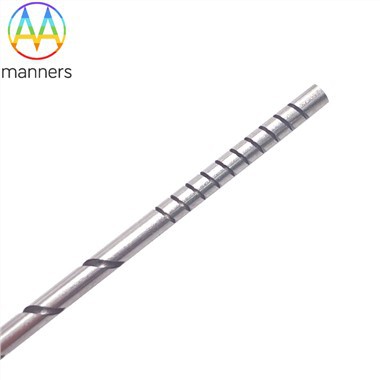
According to workflow optimization characteristics, breast biopsy equipment is divided into three efficient types. First is quick-assembly integrated biopsy needles, with simplified structural design, convenient assembly and disassembly, short preparation time, suitable for high-volume routine clinical operations. Second is high-precision rapid positioning biopsy needles, with clear echogenic markings and stable no-forward-throw performance, realizing one-time rapid lesion targeting and efficient sampling. Third is standardized supporting operation kits, including matched disinfection, anesthesia and sampling auxiliary instruments, realizing one-stop preoperative preparation and improving overall procedural efficiency.
4. Efficient Workflow Operation Guidelines
Optimized high-efficiency breast biopsy procedures follow standardized whole-process workflow specifications. Firstly, standardized preoperative preparation: complete lesion imaging evaluation, instrument inspection and disinfection preparation in advance to shorten on-site preparation time. Secondly, rapid instrument assembly: adopt integrated quick-assembly biopsy needles to complete equipment debugging in 1-2 minutes. Thirdly, rapid positioning sampling: use echogenic marking needles for real-time imaging positioning, complete one-time accurate sampling without repeated adjustment. Fourthly, standardized postoperative processing: quickly complete wound compression hemostasis and sample sealing and storage to improve finishing efficiency. Arrange operation procedures reasonably to realize continuous and efficient diagnosis.
5. Practical Efficiency Optimization Experience
Clinical optimized workflow practice shows that standardized process and efficient instruments can greatly improve the efficiency of breast biopsy procedures. The integrated quick-assembly biopsy needle reduces preoperative assembly time by 60%, and the one-time rapid positioning sampling shortens intraoperative operation time by nearly half. The standardized whole-process operation process realizes seamless connection of each link, and the average single operation time is shortened from 20 minutes to 10 minutes. The daily diagnosis volume of a single physician is increased by nearly double, effectively alleviating the pressure of clinical breast disease screening. At the same time, efficient and standardized operations reduce human error and improve the stability of diagnostic quality.
6. Summary and Sublimation
Workflow efficiency optimization is an important way to improve the clinical application value of breast biopsy procedures. Through the dual optimization of instrument structural upgrading and procedural process standardization, it solves the pain points of cumbersome links, long operation time and low clinical throughput of traditional procedures. The efficient and streamlined workflow not only improves the diagnosis efficiency of breast diseases and reduces the working burden of medical staff, but also shortens the waiting time of patients and improves medical service experience. It provides strong support for the large-scale and standardized development of breast early screening work.
7. Industry Prospect and Suggestion
In the future, breast biopsy procedures will develop towards high-efficiency, intelligent and streamlined workflow. It is suggested to further optimize the integrated structural design of biopsy needles and improve the convenience of assembly and use. Establish a full-process intelligent scheduling system for biopsy operations to realize automatic preoperative preparation and process arrangement. Standardize the industry's unified operation workflow and form refined efficiency improvement specifications. Combine intelligent imaging and automatic sampling technology to further shorten operation time, improve clinical diagnosis efficiency and service capacity.