Technical Principles And Selection Expertise Of Laparoscopic Trocars In Laparoscopic Tubal Oocyte Transfer
Jun 08, 2026
https://www.laparoscopyhospital.com/v5.htm
In the field of assisted reproductive technology, laparoscopic tubal oocyte transfer is a highly precise minimally invasive surgical intervention. The success of this procedure relies heavily on a sophisticated access system - laparoscopic trocars. Understanding their technical principles and proper selection is the key to mastering this specialized surgery.
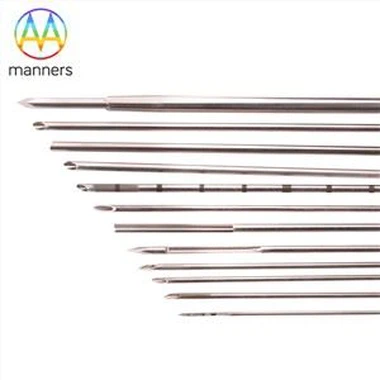
The core of laparoscopic surgery lies in establishing stable working channels. For laparoscopic tubal oocyte transfer, 2 to 4 tiny incisions (typically 5 to 12 millimeters in diameter) are first made on the patient's abdominal wall. Trocars serve dual roles as puncture devices and fixed sheaths. The sharp trocar stylet penetrates each layer of the abdominal wall with controlled force until reaching the peritoneal cavity. After penetration, the inner stylet is removed, leaving the hollow cannula as a permanent, airtight working port.
Selecting the right trocar for tubal oocyte transfer requires meticulous expertise. First and foremost, diameter selection is critical. The main working port, usually placed at the umbilicus, generally adopts 10–12 mm trocars to accommodate multi-channel laparoscopes (integrating lighting, imaging and instrument channels) or embryo transfer catheters used in subsequent steps. Auxiliary ports on both sides of the lower abdomen mostly use 5 mm trocars, through which atraumatic forceps are inserted to stabilize the fallopian tubes, retract intestinal tissues, or perform suction and irrigation. Such coordinated multi-port arrangement creates a stable triangular operative field on the monitor, enabling accurate oocyte transfer within the delicate ampulla of the fallopian tube.
Secondly, material selection strikes a balance between biocompatibility and surgical requirements. Reusable trocars made of stainless steel or titanium feature exceptional surface smoothness, wear resistance and resistance to repeated high-temperature and high-pressure sterilization. They are widely used in reproductive centers that demand superior precision and reliability. By contrast, disposable trocars manufactured from medical polymers completely eliminate risks of cross-infection and prion contamination. Their shafts are commonly coated with anti-fog layers and fitted with airtight valve systems, which help maintain steady pneumoperitoneal pressure throughout the procedure and preserve a stable operating space for delicate maneuvers.
In summary, trocars used in laparoscopic tubal oocyte transfer are far from simple puncture instruments; they form the foundation of the entire minimally invasive surgical platform. Every detail regarding size, material and placement directly affects the clarity of the surgical view and the flexibility of instrument manipulation, and ultimately determines the success rate of precise embryo placement into the fallopian tube. As a vital engineering link, they connect modern minimally invasive surgical techniques with the age-old process of human life conception.