Sterilize Or Substitute
Oct 16, 2026
The Pain: Tip Looks Fine, Performs Poorly
A hygienist notices that a scaler tip is not cleaning as well as it used to. The tip looks fine-no visible bends, cracks, or corrosion. But it takes longer to remove calculus, and the patient complains of discomfort. The hygienist assumes the scaler is malfunctioning and calls for service. The technician checks the machine and finds it working perfectly. The problem is the tip.
This scenario is common because tip wear is often invisible. The working end of a scaler tip wears down gradually with each use. The edge rounds off, the surface becomes pitted, and the internal channels clog. These changes are microscopic but clinically significant. A worn tip smears calculus instead of fracturing it, generating more heat and requiring more pressure.
The Principle: Wear Is Clinical, Not Cosmetic
The principle is that wear is clinical, not cosmetic. A tip that looks fine may be performing poorly. The active zone is the last few millimeters of the tip. This is where the energy is concentrated and where the deposit is contacted. Over time, this zone wears down, losing its sharp edges and precise geometry.
Additionally, the internal lumen of the tip can become clogged with debris and mineral deposits. This reduces water flow, leading to overheating and poor visibility. The tip may also develop micro-cracks that harbor bacteria, compromising sterilization.
The solution is to treat tips as consumables with a defined lifespan. Replace them regularly, not just when they break.
Equipment Classification by Lifecycle
Tips can be classified by their lifecycle stage.
- New tip: Predictable energy transfer, sharp edges, clear lumen. Use for critical procedures and heavy deposits.
- Mid-life tip: Still effective but slightly worn. Use for lighter deposits and routine maintenance.
- Worn tip: Rounded edges, reduced efficiency, possible clogging. Demote to stain removal or light biofilm only.
- Failed tip: Bent, cracked, pitted, or clogged. Retire immediately. Do not use on any patient.
Practical Guide
Managing tip lifecycle requires discipline. Here is a practical guide.
- Inspect before every session: Look at the tip under magnification. Check for bends, cracks, pitting, and clogging.
- Use tip-check cards: Some manufacturers provide tip-check cards with a reference profile. Compare the tip to the card to assess wear.
- Clean lumens regularly: Use the manufacturer's recommended cleaning brushes to clear the internal lumen. Flush with water after each use.
- Avoid harsh ultrasonic cleaners: Some ultrasonic cleaners are too aggressive and can erode the tip coating. Use the recommended cleaning solution.
- Track autoclave cycles: Keep a log of how many times each tip has been autoclaved. Replace tips after a defined number of cycles, typically 300–500.
- Replace when efficiency drops: If a tip takes longer to clean or requires more pressure, replace it. Do not wait for visible damage.
Real-World Experience
A practice that implemented a "500-cycle or 6-month" tip policy reported fewer retreatments and steadier hygiene productivity. The policy was simple: each tip was marked with the date of first use. After 6 months or 500 cycles, the tip was retired, regardless of appearance. The practice also used tip-check cards to assess wear between replacements.
The result was more consistent clinical outcomes. Patients experienced less sensitivity and shorter appointments. The practice saved money by avoiding retreatments and by purchasing tips in bulk with a predictable replacement schedule.
Summary
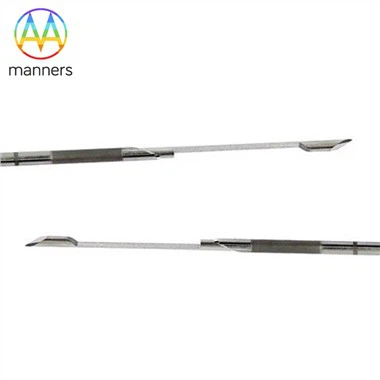
A scaler tip is a consumable with a long-looking body and a short-working nose. The last few millimeters are the active zone, and they wear out faster than the rest of the tip. Treat tips as consumables, inspect them regularly, and replace them on a schedule. Your patients will notice the difference.
Outlook & Suggestions
The future of tip management lies in smart tracking. RFID tags may record usage cycles and alert clinicians when replacement is needed. Wear indicators may change color when the tip is worn. For now, the most practical suggestion is to budget for tip replacement like gloves and burs. Cheap tips reused too long are not savings; they are hidden costs.