Stainless Steel: Material Performance For Reusable Dental Drills
Oct 25, 2026
MaterialAssociated Clinical Pain Points
Instrument fracture, corrosion, and rapid cuttingedge degradation represent major frustrations for implant clinics. Poorquality drills rust after repeated autoclaving, release metallic debris into bone tissue, or snap under cutting torque. Damaged instruments can leave fragments trapped within osteotomy sites, requiring invasive retrieval procedures. Lowgrade alloys degrade quickly, forcing frequent replacement and raising operational costs.
Material Science Principle
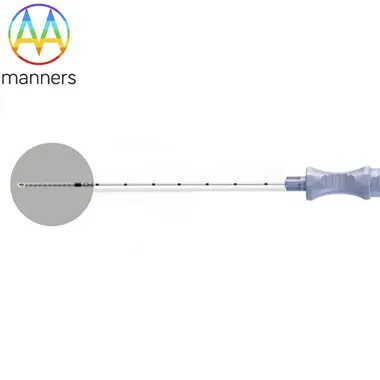
The stainless steel used for this pilot drill resembles AISI 304L grade, offering balanced corrosion resistance, fracture toughness, and hardness. Chromium content creates a passive protective oxide film across the metal surface, resisting oxidation from saline, blood, and repeated steam sterilization. The alloy formulation balances ductility and rigidity: stiff enough to resist bending under load, yet sufficiently tough to avoid brittle fracture.
Material Category Comparison
Stainless steel serves as the baseline material for generalpurpose pilot drills. Titanium alloy offers excellent biocompatibility but has lower rigidity. Tungsten carbide delivers extreme hardness for heavyduty cutting, while ceramic eliminates metal contamination risk. Each material carries distinct advantages and cost tradeoffs. Stainless steel remains the most popular choice for standard reusable pilot instruments. Custom surface coatings can be applied to further enhance lubricity, wear resistance, and anticorrosion performance.
Maintenance and Handling Guide
Immediately after surgery, remove blood, bone debris, and saline residue using ultrasonic cleaning. Inspect the cutting flutes and tip for microchips or rust discoloration. Package instruments properly and run validated autoclave cycles. Store cleaned, sterilized drills inside dry, sealed containers. Set up a regular retirement schedule to remove heavily worn instruments before failure occurs.
Practical Experience in Sterilization Cycles
Highvolume clinics confirm that properly maintained stainless steel drills can survive many sterilization cycles before showing measurable degradation. Neglecting postsurgical cleaning causes biofilm accumulation, eventually breaking down the passive oxide layer and initiating rust formation. Visual inspection after each case is a simple, effective preventive measure.
Summary
Stainless steel provides a costeffective, reliable foundation for reusable implant pilot drills. Its combination of mechanical strength and corrosion resistance satisfies the daily demands of implant surgery.
Future Suggestions
Custom coating technologies will further extend usable instrument lifespans. Manufacturers will continue optimizing alloy compositions tailored specifically for oral surgical instrumentation.