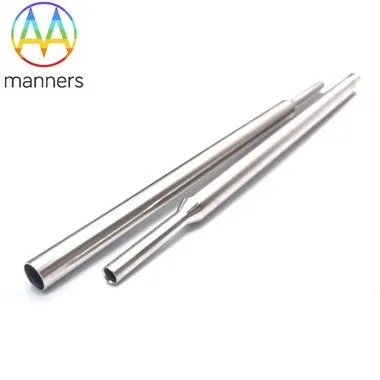
Regulatory Compliance And Industrial Development Of Breast Biopsy Procedure
Sep 25, 2026
1. Industry Pain Points
The breast biopsy industry faces prominent regulatory compliance and standardized development pain points. Some low-end biopsy needle products have unqualified material biocompatibility, unstable processing precision and incomplete performance indicators, failing to meet medical certification standards. The clinical operation procedures lack unified industry specifications, leading to inconsistent operation standards and uneven diagnosis quality in different medical institutions. The industry has imperfect quality supervision and traceability mechanisms, and it is difficult to supervise the whole process of product production and clinical application. In addition, the lack of unified industry innovation and upgrading standards leads to slow iterative upgrading of high-end biopsy technology, restricting the high-quality development of the breast biopsy industry.
2. Core Compliance Principle
The regulatory compliance of breast biopsy procedures is based on international medical device quality management system standards. The core principle is to realize full-process standardized control of product production, performance testing, clinical operation and quality supervision. Biopsy needle products must adopt medical-grade 304/316 stainless steel materials that meet biocompatibility requirements, and pass strict precision processing, performance testing and sterile treatment. The production process strictly abides by ISO9001:2015 quality management system and ISO13485 medical device special certification standards. Clinical operations implement unified standardized procedural specifications, and establish full-process quality detection and traceability mechanisms to ensure product safety, procedural standardization and result reliability, meeting global medical regulatory requirements.
3. Compliance Equipment and System Classification
Breast biopsy compliance systems are divided into product certification and clinical specification two major categories. Product compliance equipment includes material component detector, biocompatibility tester, precision performance detector and sterile testing equipment, ensuring that biopsy needles meet international medical certification standards. Clinical compliance systems include procedural operation specification system, quality traceability management system and postoperative safety evaluation system, standardizing clinical operation behaviors. All compliant biopsy needle products support customized processing according to 2D/3D drawings and samples, and meet personalized clinical needs on the premise of meeting regulatory standards.
4. Standard Compliance Operation Guidelines
Breast biopsy procedures implement full-link regulatory compliance management. Firstly, product production compliance: strictly select medical-grade raw materials, standardize precision processing technology, complete multi-dimensional performance testing and certification, and ensure products meet ISO13485 and SGS certification standards. Secondly, clinical operation compliance: implement unified industry procedural specifications, standardize preoperative preparation, intraoperative positioning sampling and postoperative processing operations. Thirdly, quality supervision compliance: establish full-process data recording and traceability files, realize real-time monitoring of product quality and operation quality. Fourthly, regular compliance review and process optimization to continuously meet updated medical regulatory requirements.
5. Practical Industry Compliance Experience
Enterprises and medical institutions that fully comply with international medical standards have obvious industrial competitive advantages. Products that pass ISO13485 medical certification have stable material biocompatibility and reliable mechanical properties, with zero adverse reaction rate in clinical application. Standardized compliant operation procedures unify the diagnosis standards of different medical institutions, greatly reducing the rate of diagnostic deviation and medical disputes. The full-process traceability system realizes transparent and controllable product and operation quality, improving industry credibility. Customized compliant products can meet the personalized needs of global customers, expanding the market coverage and influence of high-quality breast biopsy products and technologies.
6. Summary and Sublimation
Regulatory compliance is the fundamental guarantee for the standardized and sustainable development of the breast biopsy procedure industry. Full-process compliance management solves the industry pain points of uneven product quality, non-standard operations and imperfect supervision system. Strict international certification standards and unified clinical operation specifications ensure the safety, accuracy and reliability of breast biopsy diagnosis. Compliance-oriented industrial development mode standardizes industry development order, promotes the iterative upgrading of product technology and clinical procedures, and lays a solid foundation for the high-end, standardized and international development of the breast biopsy industry.
7. Industry Prospect and Suggestion
With the continuous improvement of global medical device regulatory standards, standardized compliance development has become an inevitable trend of the breast biopsy industry. It is suggested to further align with international advanced medical certification standards, improve the full-process compliance system of production and clinical application. Promote the unification and popularization of industry procedural operation specifications, standardize industry development standards. Strengthen technological innovation and compliant upgrading of products, develop high-precision, minimally invasive and intelligent biopsy products. Build a standardized, intelligent and international modern breast biopsy industry system to promote the high-quality development of global breast disease diagnosis and treatment.