Opportunities And Challenges For EBUS-TBNA Needle Factories in The New Healthcare Ecosystem
Jul 08, 2026
https://profed.olympuschina.com/gs/thoracicsurgery/12628/
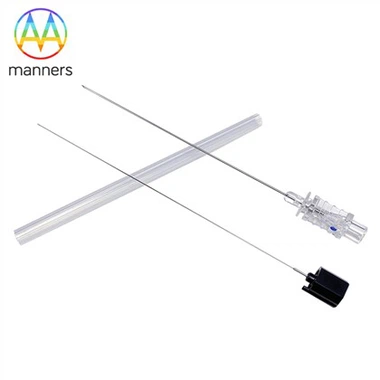
The global EBUS-TBNA needle market has long been dominated by Olympus (ViziShot), Boston Scientific (Expect), and Cook Medical (EchoTip). However, propelled by expanding lung cancer screening and burgeoning interventional respiratory programs in developing nations, three pivotal trends are reshaping the landscape, creating new avenues for specialized EBUS-TBNA needle factories.
Universal Transition to Single-Use-Safety Imperatives Drive Replacement
WHO and major respiratory societies unequivocally designate EBUS-TBNA needles as single-use devices. While cost pressures led some institutions in developing economies to reprocess devices, the attendant risks-fracture, cross-contamination, and degraded ultrasound visibility-are driving abandonment of this practice. Consequently, global consumption is rising in lockstep with EBUS platform installations (estimated CAGR >7%). Factories capable of low-cost, sterile, single-use production are poised to secure high-volume OEM contracts, particularly within regions embracing VBP initiatives where price sensitivity for standard lines is acute.
Domestic Ultrasound Bronchoscope Approvals Stimulate Local Demand
Emerging market domestic endoscope manufacturers (e.g., SonoScape securing NMPA Class III approval for their EBUS scopes in China) are disrupting the imported equipment monopoly. However, prohibitively expensive original needles hinder grassroots adoption. The rise of "Device + Domestic Needle" bundled sales models incentivizes local EBUS-TBNA needle factories to accelerate process upgrades, secure NMPA registrations, or pursue joint registrations with domestic scope makers to capture share from original accessories. India's "Make in India" policy similarly encourages local precision machining investments in EBUS needle lines.
ODM Globalization & Differentiation Innovation Pathways
- Gauge Diversification: Expanding beyond classic 19G to include 21G (reduced bleeding risk near vessels) and 18G side-port tissue biopsy versions (FNB mode for superior cores).
- Ergonomic Hubs: Rotational locking mechanisms, rapid advance/retract thumbwheels, anti-reflux suction ports.
- Enhanced Traceability: Laser-marked UDI-DI + batch numbers on each needle; QR codes linking to sterilization records.
- Sustainable Packaging: Reduced-plastic primary packaging, FSC-certified cartons aligning with ESG procurement mandates.
- Automated QC: Machine vision AOI for needle tips + lumen optical inspection replacing manual checks to slash defect rates.
Challenges persist: reliance on imported raw materials (medical Nitinol tubing, specialty polymer sheaths); escalating costs for ISO 13485/MDSAP audits; navigating international patent thickets (certain hub locking mechanisms, proprietary tip geometries) requiring design-around ingenuity. Forward-thinking EBUS-TBNA needle factories preemptively design around patents, amass multi-regional regulatory dossiers (FDA/EU MDR/NMPA/ANVISA), and participate in multi-center clinical studies to build evidentiary datasets, evolving from pure contract manufacturers towards co-branding partners.
Looking ahead 5–10 years, as respiratory interventions decentralize to secondary hospitals and ambulatory surgery centers, EBUS-TBNA needle factories harmonizing precision process mastery, regulatory rigor, and cost competitiveness will emerge as indispensable pillars within the global EBUS consumables supply chain.