Microneedling Therapy: Applications In Cosmetic Dermatology And Skin Disease Treatment
Nov 07, 2026
Meta Description: Microneedling is widely used for photoaging, acne scars and skin regeneration. Learn its mechanism, treatment intervals by needle depth, synergistic effects with vitamin A & C, common misconceptions and clinical applications for dermatological disorders.
Microneedling is a popular regenerative skin treatment, commonly applied to address photoaged skin, acne scars and other scar-related skin concerns. Many people only know it can refine pores and fade acne pits, yet few understand its underlying skin regeneration mechanism.
Studies show that the controlled micro-injuries created by microneedling trigger intracellular signaling pathways to initiate skin repair and regeneration. Histological evidence distinguishes microneedling from most skin resurfacing modalities: rather than inducing scar tissue formation, standard microneedling remodels skin and restores a more normal skin architecture.
Mechanism of Microneedling: Cytokine Regulation and Reduced Risk of Hyperpigmentation
Laboratory research reveals that microneedling exerts therapeutic effects via cytokines and growth factors. It modulates signaling pathways including interleukin‑10 (IL‑10), melanocyte-stimulating hormone and the transforming growth factor‑β (TGF‑β) family.
These findings ease long-standing concerns that microneedling may trigger post-inflammatory hyperpigmentation. The upregulation of IL‑10 and suppression of melanocyte-stimulating hormone render microneedling safe for all skin types when performed properly.
A widespread misconception among patients and even some practitioners is that more invasive treatments deliver better results. Ablative lasers, deep chemical peels and certain energy-based devices rely on controlled scar formation to achieve skin tightening. By contrast, microneedling is one of the few modalities that can reduce scarring and drive physiological skin regeneration.
Treatment Intervals Based on Needle Depth
Microneedling follows the principle of "controlled injury followed by reconstruction". Sufficient time is required for skin repair and collagen synthesis. The interval ranges from 1 to 3 months, determined by needle depth and healing cycle:
Roller microneedles (0.25–0.5 mm): Primarily for drug delivery and enhanced percutaneous absorption with minimal epidermal trauma. Recommended interval: approximately 1 month.
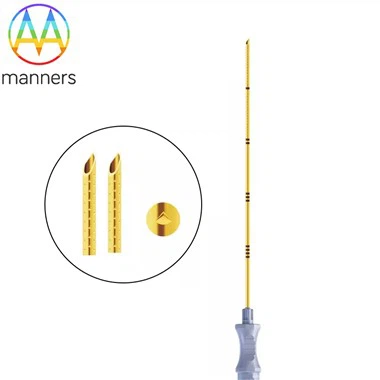
Gold microneedling / long microneedles (1.0–2.0 mm): Target the dermis to stimulate collagen production for acne pit correction and wrinkle reduction. Recommended interval: 2–3 months to allow adequate collagen turnover.
Fractional radiofrequency microneedling: Combined mechanical and thermal injury creates stronger skin stimulation. Recommended interval: around 3 months.
⚠️ Key Reminder: Avoid overly frequent sessions. High-frequency treatments (e.g., weekly sessions) do not accelerate improvement. Instead, insufficient healing time may cause thinning of the stratum corneum, skin sensitivity, persistent redness or pigmentation. Strict sun protection and moisturization are mandatory after each session.
A full course typically consists of 4–6 sessions for optimal outcomes, though results vary individually. Some patients may be dissatisfied with the degree of improvement; additional sessions can be considered after clinical assessment if the skin tolerates treatment.
Synergy with Topical Vitamins: Not an Add-on, but a Scientific Core
Many patients regard pre-treatment topical vitamin A, vitamin C and antioxidants as optional extras. In fact, this synergistic combination is fundamental to the regenerative mechanism of microneedling.
Vitamin A is well documented to regulate epidermal differentiation, collagen synthesis and fibroblast activity, amplifying the wound-healing cascades activated by microneedling. Vitamin C is equally critical, as it plays an indispensable role in collagen cross-linking.
Topical vitamins alone can increase epidermal thickness by roughly 20%. When combined with microneedling, collagen deposition and skin thickening reach nearly four times the level seen in untreated controls. Weekly 1.0 mm microneedling sessions have been studied to sustain high levels of TGF‑β3 for long-term skin repair.
Vitamin A and C are therefore essential for maximal therapeutic benefit, with robust supporting scientific evidence.
Beyond Cosmetic Use: Microneedling for Dermatological Diseases
As an effective transdermal drug delivery platform, microneedles (MNs) also serve a broad range of medical dermatology applications:
Promoting hair growth in androgenetic alopecia
Improving thickened lichenified skin lesions
Facilitating repigmentation in vitiligo
Enhancing treatment responses in alopecia areata
Conclusion
Microneedling is not a low-cost substitute for energy-based devices such as lasers and radiofrequency systems. It stands as an independent regenerative therapy with unmatched safety and versatility.
Clinical adoption of microneedling will keep expanding for anti-aging, scar revision and refractory skin disorders. For safe outcomes, treatment should only be delivered in licensed medical institutions by qualified clinicians, who select appropriate needle depths, customize treatment plans and guide pre-treatment priming and post-procedure skin care.