Material Selection Strategy For Disposable Trocars
Sep 26, 2026
Industry Pain Points Material selection determines the core performance and clinical safety of disposable trocars, and unreasonable material matching has always been a key problem restricting product quality upgrading. Traditional trocar manufacturing has serious material homogenization problems: many enterprises use ordinary industrial stainless steel and low-grade plastic materials to reduce costs. Ordinary stainless steel has unstable hardness, which is prone to bending deformation and surface rust during surgery, and long-term contact with body fluids will cause metal ion precipitation, bringing hidden dangers to patient safety. Low-quality plastic accessories such as tips and seals have poor toughness and light transmittance, prone to shrinkage, bubbles and brittle fracture, affecting surgical observation and equipment sealing performance. In addition, the industry lacks targeted material selection standards for different surgical scenarios. Universal material matching cannot meet the differentiated demands of high-pressure thoracoscopic surgery, precise neurological intervention and routine laparoscopic surgery, resulting in poor product scenario adaptability, insufficient biocompatibility and failure to meet ISO medical safety certification requirements.
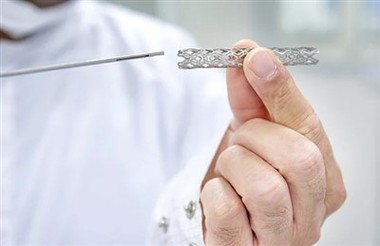
Material Matching Principle The material selection of disposable trocars follows the scenario-based adaptive matching principle, realizing the organic combination of mechanical performance, biocompatibility and clinical applicability. The core principle is to match exclusive metal and plastic materials according to the functional requirements of different trocar components and surgical scenarios. For the core load-bearing and penetrating stainless steel cannula, high-performance medical alloys are selected: 304 and 316L stainless steel for conventional general surgery trocars, with stable hardness and good corrosion resistance; L605 alloy for high-strength surgical scenarios, with excellent pressure resistance and deformation resistance; Ni-Ti alloy for precise minimally invasive trocars, with superelasticity and fatigue resistance. For plastic components such as tips, seals and handles, high-purity medical-grade plastics are matched: Makrolon 2458 and Lexan HP1(R) transparent polycarbonate for trocar tips to ensure high light transmittance and no visual defects; ABS resin, silicone and nylon for sealing and connecting parts to ensure good toughness, air tightness and aging resistance. The overall selection principle prioritizes medical biocompatibility, mechanical stability and surgical adaptability to eliminate material safety hazards from the source.
Equipment Classification for Material Processing According to the processing characteristics of different trocar materials, the industry's supporting processing and testing equipment is divided into three categories. The first category is medical alloy precision processing equipment, adapted to high-hardness and high-toughness medical stainless steel and nickel-titanium alloy, realizing non-destructive precision forming of high-performance metal tubes. The second category is medical plastic injection molding equipment, specially used for forming transparent PC, silicone and ABS materials, with precise temperature and pressure control functions to avoid plastic shrinkage and bubble defects. The third category is material performance testing equipment, including biocompatibility testers, hardness detectors, light transmittance analyzers and corrosion resistance testing machines, which verify whether the selected materials meet medical disposable device standards and clinical application requirements.
Practical Material Selection Guidelines Standardized material selection processes ensure high matching and high safety of trocar products. First, classify surgical scenarios and product specifications before selection, clarify the mechanical strength, transparency and biocompatibility requirements of trocars for different operations. Second, select metal materials in a targeted manner: 316L stainless steel for routine laparoscopic trocars, L605 alloy for high-load thoracoscopic trocars, and Ni-Ti alloy for ultra-precise small-specification trocars. Third, select plastic materials according to component functions: high-transparency Lexan HP1(R) for visual tips, high-elasticity silicone for sealing components, and high-toughness ABS for fixed handles. Fourth, conduct incoming material inspection for all raw materials, verify material certificates and biocompatibility indicators, and eliminate unqualified raw materials. Fifth, carry out small-batch trial production and performance verification after material matching, confirm that the product has no deformation, light transmission defects and biological irritation, and then carry out mass production.
Practical Industry Experience Enterprises adopting standardized scenario-based material matching strategies have achieved comprehensive improvement in trocar product performance and safety. Medical-grade 316L and L605 alloy trocar cannulas have 40% higher corrosion resistance and structural stability than ordinary stainless steel products, completely avoiding metal ion precipitation and tube deformation during surgery. High-purity PC transparent tips have 99.9% light transmittance, no shrinkage or bubble defects, ensuring clear tissue identification during surgical penetration. Medical silicone sealing components maintain stable air tightness in long-term surgical environments, effectively preventing pneumoperitoneum gas leakage. Optimized material matching makes the product pass ISO13485 medical certification smoothly, reduces clinical adverse reaction rate by 90%, and greatly improves product market credibility and clinical applicability.
Summary and Sublimation Scientific material selection is the primary premise for the high-quality manufacturing of disposable trocars and the fundamental guarantee of product clinical safety. Scenario-based adaptive material matching abandons the crude universal material selection mode of the traditional industry, realizes precise matching of materials and product functions, surgical scenarios. High-performance medical alloys and purified medical plastics endow trocars with excellent mechanical stability, optical performance and biocompatibility, effectively solving various quality and safety hidden dangers caused by unreasonable material selection. Standardized material selection standards promote the overall upgrading of disposable trocar product quality.
Future Development Suggestions The industry should further optimize the material system and upgrade selection standards. Continuously introduce new high-biocompatibility and high-durability medical alloy and plastic materials to improve the comprehensive performance of trocars. Establish a complete material selection database corresponding to product specifications and surgical scenarios to realize intelligent rapid material matching. Strengthen material durability and anti-aging research under long-term clinical environment, optimize material adaptability for complex surgical conditions. Promote the standardization and unification of industry material selection specifications, eliminate low-quality raw materials, and improve the overall safety level of disposable trocar products.