Hygienic Performance And Post‑Operative Rehabilitation Value Of Laparoscope Tubes
Aug 24, 2026
Industry Pain Points
Poor hygienic performance of laparoscope tubes constitutes an iatrogenic risk factor for patients receiving laparoscopic gastrostomy tube placement. Many conventional sheaths have rough inner lumens and structural micro‑gaps, where blood, gastric juice and tissue fragments lodge deeply. Standard reprocessing cannot fully eliminate embedded residues. During repeated clinical use, residual contaminants may introduce bacteria into peritoneal cavity, triggering peritonitis or gastrostomy‑site infection. Vulnerable patients with neurological disease or critical illness have low immune resistance, making them highly susceptible to such complications. Some inferior materials degrade after repeated disinfection, generating micro‑particles that irritate abdominal viscera. These hygiene‑related problems delay rehabilitation, extend hospital stay and worsen prognosis for enteral‑nutrition‑dependent patients.
Working Principle
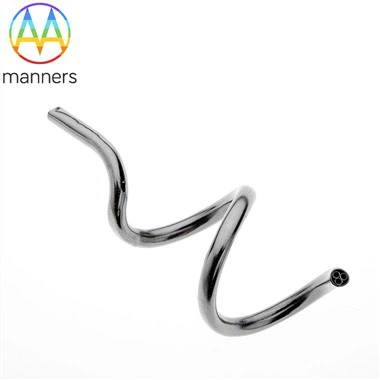
Manners laparoscope tubes achieve superior hygienic performance by combining mirror‑smooth thin‑wall stainless‑steel lumen and stable Delrin polymer components. Bright burr‑free inner ID minimizes residue adhesion of blood and gastric secretions; contaminants cannot embed into surface defects and can be flushed away efficiently during cleaning. Both stainless‑steel and Delrin materials tolerate repeated high‑level disinfection without aging, degradation or particle shedding. Seamless assembly eliminates hidden sanitary dead gaps. Products are manufactured under ISO13485‑compliant quality‑management system, avoiding manufacturing‑process‑derived debris. This hygienic foundation lowers intra‑operative contamination risks and supports better post‑operative rehabilitation for gastrostomy patients.
Equipment Classification
Hygiene‑performance‑based grouping: standard hygienic series for ordinary‑risk gastrostomy cases; enhanced‑hygiene variants applying secondary fine polishing for immunocompromised and high‑infection‑risk patients. All adopt thin‑wall stainless‑steel smooth‑ID tubes and Delrin holders. Support full‑range diameters, angles, lengths and shape customization per 2D/3D drawings or samples. ISO9001:2015 and ISO13485 certification ensures medical‑grade hygiene baseline. Packaging can be standard carton or customer‑specified.
Operational Guidelines
Pre‑operative hygiene check: inspect inner lumen and holder for residual stains, debris and surface damage, confirm completed qualified disinfection. Intra‑operatively perform intermittent lumen cleaning to avoid long‑term accumulation of blood and gastric fluid. Post‑operatively apply professional medical cleaning agents to flush along inner lumen; complete disinfection process before sterile storage. Regularly examine material aging signs of stainless‑steel tube and Delrin holder; replace components when surface degradation appears.
Practical Clinical Experience
Clinical follow‑up indicates high‑hygiene Manners laparoscope tubes reduce infection‑related complications after laparoscopic gastrostomy tube placement. Mirror‑smooth lumens simplify reprocessing and lower residual‑contamination probability. Material stability avoids micro‑particle shedding into peritoneal cavity. The incidence of post‑operative peritonitis and gastrostomy‑site infection decreases notably, especially for immunocompromised patients. Patients achieve faster rehabilitation progress and shortened hospital‑stay duration, improving overall clinical outcomes for long‑term enteral‑nutrition recipients.
Summary and Sublimation
Hygienic performance is a non‑negligible latent value of laparoscope tubes for laparoscopic gastrostomy tube placement. High‑smoothness seamless‑structure stainless‑steel sheaths paired with stable Delrin holders mitigate iatrogenic contamination risks originating from rough‑surface inferior hardware. Good cleanability simplifies hospital reprocessing workflows and helps reduce post‑operative infectious complications, benefiting rehabilitation of vulnerable gastrostomy patients. Hygiene‑related device quality deserves full attention in enteral‑access minimally‑in‑surgery.
Prospects and Suggestions
Device developers should take anti‑residue surface performance and disinfection tolerance as core design indexes for laparoscope tubes used in enteral‑access surgery. Medical institutions should prioritize high‑hygiene certified hardware for gastrostomy interventions targeting immunocompromised patients. Strengthen clinical‑staff training on sheath cleaning‑disinfection workflows. Industry should establish hygiene‑performance evaluation norms for abdominal minimally‑in‑surgical auxiliary devices under ISO13485 framework.