Human Abdominal Puncture
Nov 08, 2022
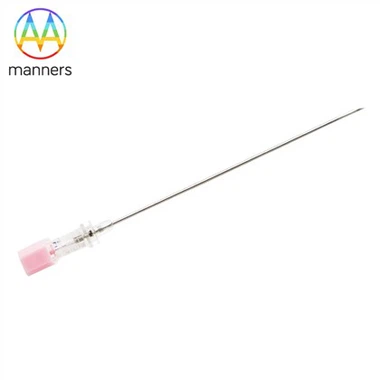
A diagnostic technique in which a puncture tube is inserted into a body cavity to extract secretions for testing, gas or contrast agent is injected into the body cavity for imaging examination, or drugs are injected into the body cavity. There are several kinds of commonly used piercing procedures.
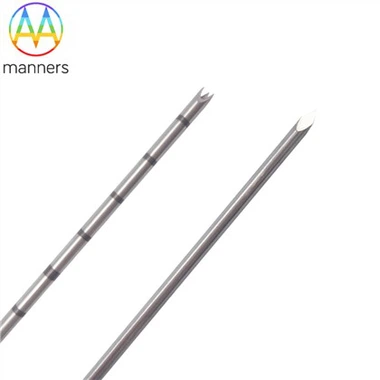
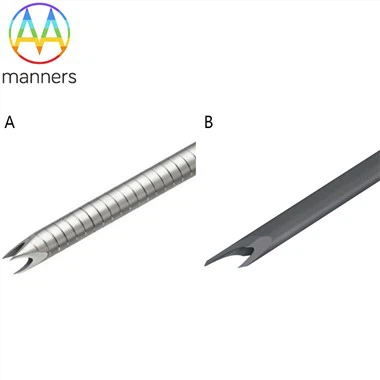
Abdominal body cavity and organ puncture includes the following types: Abdominal puncture, with a puncture tube, 1cm above the midpoint of the umbilical cord to the pubic line, 1 ~ 1.5cm open side puncture abdominal cavity. It is used to diagnose ascites of unknown cause and release ascites to relieve dyspnea. Drugs can also be injected into the abdominal cavity. The initial discharge should not exceed 3000ml, and continuous closed drainage can be performed if necessary. However, if the patient has collapse, the patient should immediately stop the drainage and lie flat, and intravenous hypertonic glucose should be injected. Biopsy of the liver. Can be used for biopsy (see liver biopsy). Kidney biopsy. The kidney was punctured at the lower margin of the twelfth costal area and 6 ~ 6.5cm beside the midline of the dorsal line with a 9-10 lumbar puncture needle, and the living tissue was taken for examination. For unclear primary glomerulonephritis, pyelonephritis, nephrotic syndrome, multiple myeloma involving the kidney, renal tumor, renal sclerosis, etc. Patients with bleeding tendency, hypertension, perirenal abscess and renal tuberculosis should avoid puncture. Bladder puncture. The bladder is punctured above the midpoint of the pubis for patients with urinary retention due to prostatic hypertrophy and failed catheterization. Hysterocentesis. Puncture the uterus above the pubis and take out the amniotic fluid to measure the lecithin/nitrophospholipin ratio (L/s), which is helpful to judge the fetal lung maturity, whether there is hyaline membrane disease after birth, and to predict the best time and way of pregnancy.