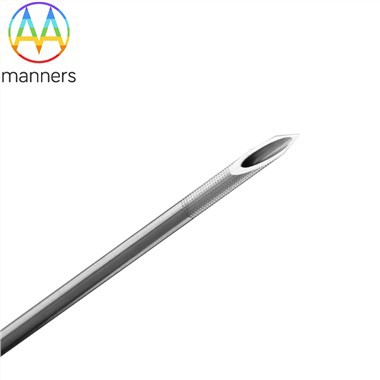
How Does Kidney Puncture Biopsy Needle Do
Nov 28, 2022
Renal biopsy is a routine examination in the department of nephrology, which plays a very important role in identifying the pathological types of renal diseases, making treatment plans and judging the prognosis. Before performing a renal puncture, the body's coagulation function, platelet status, and blood pressure should be evaluated to ensure that the blood pressure is less than 160/80mmHg to avoid possible bleeding during the puncture. At present, puncture is carried out under the guidance of color ultrasound, so relevant complications will be avoided, that is, there will be no major complications such as damage to surrounding tissues, organs and nerves. Under color ultrasound, it can be clearly seen that the puncture needle is out of shape in the human body. When the puncture needle reaches the kidney site, a kidney tissue about 1.5cm-1.8cm in length can be taken out for pathology examination. After the puncture, the local puncture site was compressed, and the patient was asked to lie flat in bed for 24 hours, especially during the first 6 hours of absolute bed rest. Do not roll over, let alone sit up, and avoid strenuous activities for 1 month after the puncture to avoid kidney bleeding. Perirenal hematoma may occur during the puncture process, which generally does not need special attention and can be absorbed by itself, but requires extended rest time.