How Does Disposable Radiofrequency Ablation Operate?
Sep 15, 2022
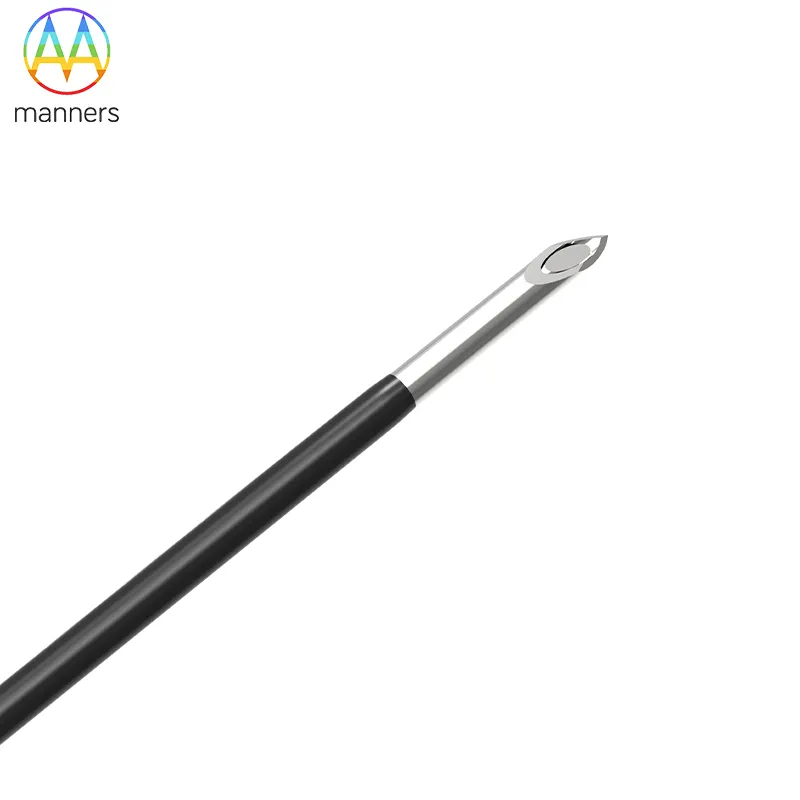
Firstly, the electrophysiological examination was performed by inserting the internal jugular vein or subclavian vein and bilateral femoral vein into the cardiac catheter electrode to confirm the diagnosis and the location of the lesion to be ablated. And then choose the lion's share of the special ablation catheter to the lesion, a short period of time to launch radiofrequency current, the current general for 20 to 30 watts, radio frequency current in contact with the myocardial tissue after partial relatively high temperature, so that the local myocardial tissue necrosis drying, necrotic tissue was no longer play a role transmitting electrical signals, thus arrhythmia was eradicated. The damage caused by radiofrequency current to the myocardium is very localized, about 3-4 mm in diameter and depth, and does not affect cardiac function. The operation was completed when the ablation was confirmed by intracardiac electrophysiological examination. The operation is performed under local anesthesia, and the patient is awake throughout the operation and can tell the doctor about his or her feelings at any time. After the procedure is completed, most patients are up and about the next day and can be discharged from the hospital in two to three days. Current conditions that can be treated with this technique include preexcited syndrome and paroxysmal supraventricular tachycardia, atrial flutter and atrial fibrillation, ventricular tachycardia, and atrial tachycardia caused by the dual atrioventricular node route. Among them PARoxysmal ventricular tachycardia on the radical rate can reach 90% above, the cure rate of ventricular tachycardia is about 50% left and right sides. Radiofrequency ablation of atrial tachycardia, flutter, and atrial fibrillation is currently in clinical trials. 4. Percutaneous radiofrequency ablation (RFA) of tumors is used to remove tumors by tissue coagulation necrosis caused by radiofrequency heat effect under the guidance of imaging (CT, B-ultrasound, etc.), which has become a new hotspot in many palliative therapies. The main principle of this technology is that the warhead emits medium and high frequency radio frequency waves (460K Hz), which can stimulate the tissue cells to carry out plasma shock, and the ions collide with each other to generate heat, reaching 80-100℃, which can effectively and quickly kill the local tumor cells. At the same time, it can make the blood vessels around the tumor coagulate and form a reaction zone. It can not continue to supply blood to the tumor and help prevent tumor metastasis. The whole treatment process is controlled by computer and monitored by TV screen. The radiofrequency wave emitted by the cluster electrode can make the tissue coagulated necrosis area (inactivated tumor area) up to 5cm×5cm×5cm at a time. It is the most advanced "guided treatment method" and minimally invasive tumor resection treatment method, which can kill tumor more and damage the body less.
If you have any questions, please contact us. Our company can produce various customized needles, medical needles, puncture needles, hypodermic needles, biopsy needles, vaccine needles, injection needles, syringe needles, veterinary needles, pencil point needle, ovum pick up needles, spinal needles, etc. If you need customized needle products, please contact us. We look forward to your inquiry! The quality of the products manufactured in our factory will surely satisfy you!
Please contact us if you need: zhang@sz-manners.com