How Bard Needles Define Clinical Standards And Patient Experience
Jun 15, 2026
Subtitle: From Grip Feel to Deployment Force, the Human-Centered Design of a Superior Needle
In the highly technical field of brachytherapy, it is easy to overlook the most fundamental elements: the physician's tactile sense and the patient's comfort. Bard brachytherapy needles demonstrate profound design expertise and human-centered care precisely within these seemingly "soft" metrics. They are more than cold, sterile instruments; they are the physician's "third hand," an extension of skill and intent.
I. Ergonomic Design and "Grip Feel"
Prolonged, delicate procedures place immense demands on a physician's hand stability. The Bard needle hub is engineered with this in mind:
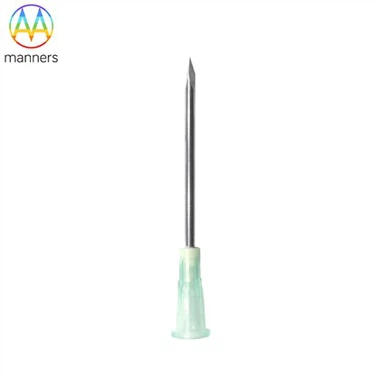
- Non-Slip Texture and Geometry: The hub typically features a hexagonal shape or knurled cylindrical design. This provides reliable friction even when gloves are slick with blood or fluids, preventing slippage. Its length and diameter are optimized for the "three-point grip" (thumb, index, and middle fingers), adhering to ergonomic principles for control and power.
- Lightweight Balance: The needle's overall weight is meticulously balanced with a forward center of gravity. This makes the needle feel like a natural extension of the arm rather than a cumbersome tool. This sense of balance is crucial during fine rotational or plunging movements.
- Clear Tactile Feedback: As the tip traverses tissues of varying densities (skin, fat, fascia, tumor parenchyma), the physician receives clear, authentic haptic feedback through the hub. Bard's shaft stiffness is engineered to transmit force without distortion while filtering out unnecessary vibrations, allowing the physician to accurately judge the current tissue layer.
II. The "Silky Smooth" Release Mechanism
Whether deploying radioactive seeds or afterloading catheters, the internal mechanism of Bard needles is precisely calibrated:
- Low-Friction Lumen: The inner wall of the needle shaft undergoes ultra-smooth polishing, resulting in an extremely low coefficient of friction. When advancing the stylet to deploy a seed, the physician feels a "silky smooth" motion, free of catching or jumping. This ensures seeds are ejected at a constant velocity, preventing clumping or irregular spacing caused by inconsistent resistance.
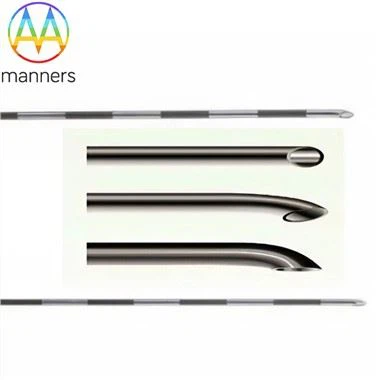
- Precise Travel Control: Limiters or markings on the stylet correspond exactly with indicators on the hub. The physician simply advances the stylet to a specific mark to ensure the seed is released at the predetermined depth. This "foolproof" design significantly reduces human error and provides a critical safety net, especially for less experienced surgeons.
- Secure Locking Mechanism: During insertion and repositioning, a reliable locking mechanism secures the stylet relative to the shaft, preventing accidental retraction or advancement that could lead to premature seed deployment or air aspiration.
III. The "Gentle" Side: Minimizing Patient Trauma
A superior needle must not only be functional for the physician but also minimize suffering for the patient:
- Reduced Puncture Pain: Bard's ultra-sharp tips penetrate skin and fascia with minimal force, drastically reducing the patient's instantaneous pain. The smooth shaft surface causes minimal tissue tearing during advancement, decreasing sustained aching and pressure.
- Hemorrhage Control: The clean, precise puncture and minimal tissue disruption result in very little bleeding at the entry site. For prostate cancer patients requiring dozens of needle insertions, this is vital for reducing post-operative hematuria and perineal hematoma rates.
- Psychological Reassurance: A well-designed, aesthetically refined needle conveys a sense of professionalism and reliability. Seeing a physician confidently operate such a sophisticated instrument can significantly alleviate a patient's tension and fear.
IV. The Cornerstone of Standardized Training
The uniform and standardized handling of Bard needles lays the foundation for establishing consistent brachytherapy protocols nationwide and globally. Regardless of the hospital, physicians can expect similar insertion resistance, deployment force, and tactile feedback. This standardization allows surgical skills and experience to be replicated and passed down more easily, promoting balanced development across the entire discipline.
Conclusion
The "fingertip artistry" embodied in the design of Bard brachytherapy needles is the ultimate interpretation of a "human-centered" philosophy. It respects the physician's operational habits and professional needs while deeply caring for the patient's physical and psychological comfort. It is this extreme attention to detail that has established Bard needles as the undisputed "Gold Standard" within the industry.