Definition, Structure And Working Principle Of Trocars
Jun 11, 2026
https://www.lookmedchina.com/news-everything-you-should-know-about-trocar-needles.html
Amid the rapid advancement of minimally invasive surgery, trocars stand as irreplaceable core instruments for establishing surgical access channels. They serve as the primary entry gateway for laparoscopic, thoracoscopic and other minimally invasive procedures, and exert a decisive impact on surgical smoothness and safety.
What Is a Trocar?
A trocar is a medical puncture device composed of a sharp obturator and an outer cannula. Its name derives from the French term trois-quarts, meaning three-quarters, which originally referred to a triangular pyramidal puncture tool. Modern trocars are engineered to deliver stable, airtight access channels for endoscopes and other surgical instruments while inflicting minimal tissue trauma.
Analysis of Core Components
A complete trocar assembly generally consists of four key parts:
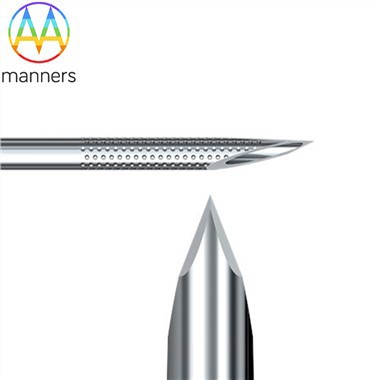
- Obturator Regarded as the piercing tip of the trocar, it is usually manufactured from high-strength stainless steel with an ultra-sharp apex for penetrating the abdominal wall and other tissues. Tips are categorized into conical, pyramidal and bladed profiles. Premium models adopt blunt-tipped or balloon-equipped obturators to mitigate visceral injury risks.
- Outer Cannula / Sleeve A hollow cylindrical tube fabricated from medical-grade stainless steel or high-performance polymers such as polycarbonate. After successful puncture, the obturator is withdrawn, leaving the cannula indwelling inside the body as a passage for surgical instruments. Anti-slip threads or locking fixtures are fitted at the cannula's rear end to prevent dislodgement.
- Seal Valve A critical component mounted at the proximal end of the cannula. It preserves pneumoperitoneum pressure and stops gas leakage during instrument insertion and removal. Common types include flapper valves, duckbill valves and magnetic valves; high-end variants integrate zero-pressure valves for friction-free instrument passage.
Gas Stopcock A connector that links to the insufflator, delivering carbon dioxide into body cavities to create and sustain a stable operating space.
Working Principle
The operation of a trocar follows three sequential steps:
- Puncture Stage Surgeons make a small skin incision (typically 5–12 mm), then insert the trocar fitted with its obturator perpendicularly or at an inclined angle into the target cavity. Operators identify the distinct "give" sensation upon piercing fascia, with ultrasound or pressure monitoring adopted to ensure safe penetration.
- Obturator Removal Stage Once proper positioning is confirmed, the obturator is extracted, and the cannula remains fixed in place. The seal valve automatically seals off the lumen to prevent gas escape.
- Channel Establishment Stage Carbon dioxide is pumped into the cavity via the gas stopcock to form a pneumoperitoneum and expand the surgical field. Endoscopes and other operative instruments can then be freely passed through the cannula to carry out complex minimally invasive interventions.
Why Are Trocars Indispensable?
Minimally invasive surgery cannot be performed without trocars, as they resolve three fundamental challenges: First, they provide a stable access route and avoid tissue damage caused by repeated blind punctures. Second, they maintain consistent pneumoperitoneum pressure to ensure unobstructed visualization of the surgical field. Third, they enable rapid instrument exchange to boost overall operative efficiency. Every successful laparoscopic procedure relies heavily on a well-engineered trocar.
Conclusion
Small in size yet foundational to minimally invasive surgery, trocars have evolved from basic piercing tools into sophisticated precision devices integrated with safety mechanisms, advanced sealing technology and multi-functional ports. Each technical upgrade of trocars has revolutionized surgical modalities. Mastery of their structural design and operating principles is essential training for all surgeons and medical device industry professionals.