Core Components And Material Selection Secrets Of Needle-Type Trocars
Jun 11, 2026
https://www.lookmedchina.com/news-everything-you-should-know-about-trocar-needles.html
As iconic instruments in minimally invasive surgery, needle-type trocars appear structurally uncomplicated yet embody profound engineering design wisdom. They consist of two core parts: a sharp obturator and a hollow cannula. Precisely fitted together, the two components fulfill the full workflow-from puncturing to establish access tracts to guiding subsequent surgical instruments into the cavity.
I. Dual-Component Synergy: Perfect Division of Labor for Puncture and Access Creation
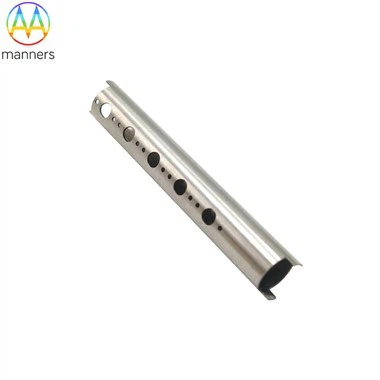
The obturator acts as the trocar's vanguard. It is engineered with a sharp tip in conical, pyramidal or bladed profiles, designed to penetrate the skin, fascia and layered abdominal wall tissues with minimal resistance. The sharpness of the obturator directly governs puncture smoothness and the severity of tissue trauma inflicted on patients. The cannula serves as the access guardian: a thin-walled hollow cylinder left indwelling inside the body after obturator removal, delivering a passage for laparoscope cameras, graspers, scissors and other operative devices. A seal valve is generally fitted at the cannula's proximal end to prevent gas leakage and fluid backflow.
II. Materials Science: Balancing Strength, Toughness and Biocompatibility
Per referenced specifications, medical-grade stainless steel (304 and 316 grades) is the primary material for metallic trocar components, each with distinct performance strengths:
- Grade 304 stainless steel: Moderate cost, reliable corrosion resistance and sufficient mechanical strength to fit most routine laparoscopic procedures. It boasts excellent machinability, enabling easy grinding of ultra-sharp needle tips.
- Grade 316 stainless steel: Alloyed with molybdenum for superior resistance to pitting and crevice corrosion, ideal for devices undergoing repeated sterilization cycles or exposure to high-electrolyte solutions. It stands as the premium option for long-term indwelling use and high infection-risk scenarios.
- High-end models may additionally adopt titanium alloys or specialized coatings to further boost cutting sharpness, reduce friction coefficients or strengthen ultrasound echogenicity. Material selection impacts far more than functional performance-it directly safeguards patient safety; even tiny burrs or material defects can trigger tissue laceration or infection risks.
III. Clinical Significance of Dimensional Parameters
The diameter and length of needle-type trocars are not arbitrarily sized but meticulously engineered for varied anatomical sites and surgical procedures.
- Diameter: Standard sizes range from 2 mm (for pediatric use or delicate microsurgery) up to 15 mm (for large specimen extraction or specialized instrument delivery). Smaller diameters yield smaller incisions and faster healing yet restrict the maximum size of passing instruments; larger bores expand operative maneuver space at the cost of greater tissue trauma. Clinicians weigh these tradeoffs based on procedural requirements.
- Length: Cannula lengths are matched to corresponding obturators, spanning 5 cm to 20 cm. Shorter cannulas suit superficial interventions such as arthroscopy, while longer variants accommodate obese patients or deep abdominal surgeries. Insufficient cannula length prevents instruments from reaching target lesions; excessive length amplifies lever forces and compromises handling stability.
IV. Sealing and Fixation Mechanisms
Beyond fundamental frameworks, modern needle-type trocars integrate multiple auxiliary functional structures. For instance, a sealing cap mounted at the cannula's proximal end blocks gas escape while permitting unobstructed instrument insertion and withdrawal. Some designs feature threading or inflatable balloons to anchor the cannula and prevent dislodgement, and built-in gas stopcocks facilitate pneumoperitoneum establishment. These refined details reflect in-depth understanding of real-world clinical demands.
Conclusion
A needle-type trocar is by no means a simple hollow needle; it represents a refined integration of material science, mechanical engineering and ergonomics. Comprehending its structural layout and material selection logic empowers clinical practitioners to select and deploy this critical instrument rationally, ultimately elevating overall surgical efficiency and procedural safety.