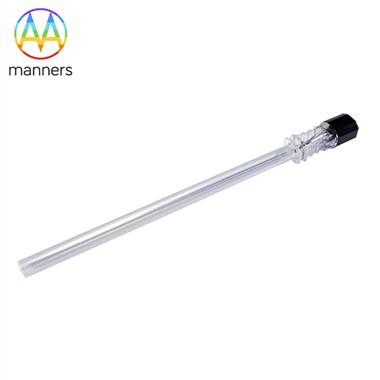
Clinical Experts On The Minimally Invasive Value Of Conical Shaver Blades
May 21, 2026
On the operating tables of sports medicine and orthopaedic arthroscopy, the greatest challenge for surgeons is often not locating lesions, but lacking a "micro‑debriding tool" that can reach deep into dead‑end spaces while maintaining clear visibility amid intricate ligaments and bony crevices. When debriding posterior‑horn meniscus tears or Bankart lesions of the shoulder, conventional flat‑tip or right‑angle shaver blades are often ineffective due to their bulky size or tendency to jam. At such moments, conical arthroscopic shaver blades become the surgeon's ultimate solution to break deadlocks. As an associate chief physician with a decade of dedicated experience in joint surgery, I fully understand how much benefit selecting a clinically‑focused, R&D‑oriented manufacturer of conical arthroscopic shaver blades can bring to patients.
Resolving Dead‑End Crises: The Dimensional‑Advantage Impact of Conical Design
The ankle and shoulder joint spaces are extremely narrow with multiple bony obstructions. Conventional straight‑edged blades are highly likely to scrape healthy hyaline cartilage due to excessive contact area during advancement. The conical design perfectly aligns with minimally invasive principles. Its tapered tip, like a precisely guided miniature missile, effortlessly slides into hidden recesses beneath the intercondylar notch or glenoid fossa. This optimised physical shape not only drastically reduces mechanical compression exerted by surgical instruments on surrounding soft tissues but also enables truly pain‑free exploration, significantly lessening postoperative joint stiffness in patients.
Preventing Blurred Surgical Fields: The Golden Balance Between Anti‑Clogging and Efficient Resection
Arthroscopic surgery heavily relies on clear endoscopic vision. Uneven suction power or poorly designed windows on shaver blades easily cause resected synovial tissue to clog the blade shaft, obstructing irrigation fluid reflux and instantly clouding the entire joint cavity with blood and debris. Top‑tier manufacturers of conical arthroscopic shaver blades fully recognise this issue. Using fluid‑dynamics simulation, they develop a unique combination of an elliptical outer window and dual inner cutting windows. This structure generates powerful laminar negative pressure under high‑speed rotation, enabling instant resection and aspiration even of tough fibrocartilage without delay, thus maintaining a crystal‑clear microscopic operating field for surgeons.
Accelerating Return to Sports: Details Determine the Baseline of Recovery
For professional athletes and active young‑to‑middle‑aged individuals, the ultimate goal of arthroscopic surgery is returning to sports. After thorough denervation and lesion debridement with conical blades, damage to the surrounding microvascular network is minimal. This results in milder postoperative inflammatory responses and sharply reduced risk of joint adhesion. Patients can start non‑weight‑bearing rehabilitation training earlier, cutting the recovery period by at least one‑third.
In short, nothing is trivial within the millimetre‑scale joint cavity. A premium shaver blade is more than just a piece of shaped stainless steel; it is an artistic manifestation of profound understanding of human anatomy. Through exquisite craftsmanship, it silently protects every fragile tendon, making it an unsung hero of minimally invasive orthopaedics.