Causes, Manifestations And Clinical Intervention Protocols Of Postoperative Pain After Core Needle Breast Biopsy
Jul 19, 2026
https://www.mayoclinic.org/tests-procedures/breast-biopsy/about/pac-20384812
Core needle breast biopsy is a mainstream minimally invasive diagnostic technique for breast lesions. Featuring precise tissue sampling, minimal trauma and high pathological accuracy, it serves as the gold standard for pathological testing of breast nodules and suspected malignant lesions. Compared with open surgical biopsy, this procedure relies on precision-engineered medical biopsy needles to harvest tissue samples and drastically reduce surgical trauma. Even so, transient soreness, distending pain and stabbing discomfort after puncture remain the most prevalent mild side effects experienced by most patients, which top the list of concerns in doctor-patient communication. In-depth research on the root causes, clinical manifestations and intervention strategies of puncture-related pain delivers critical industrial value for optimizing clinical diagnosis workflows and improving patient compliance.
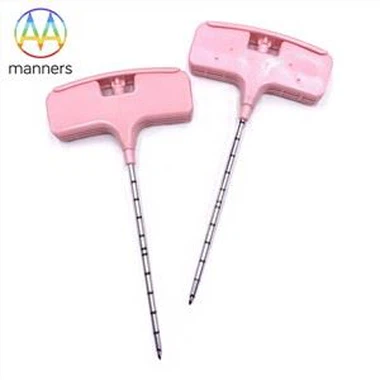
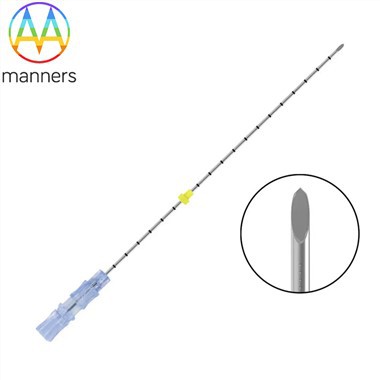
The pain triggered by core needle biopsy mainly stems from micro-tissue trauma and physiological stress responses. Medical-grade breast biopsy needles are fabricated from 304 and 316 stainless steel with thin-wall structures to maximize core tissue yield, paired with ultra-sharp tips processed via precision grinding to mitigate tissue stripping. Nevertheless, the needle must penetrate the epidermis, subcutaneous fat and mammary glands layer by layer during sampling, which inevitably irritates and damages superficial nerve endings. Temporary compression and traction of breast tissue by the needle plus postoperative local edema further stimulate nerve receptors and induce discomfort. Inferior generic biopsy needles with dull tips and rough inner walls cause jerky penetration and severe tissue dragging, leading to intensified postoperative pain. By contrast, premium precision biopsy needles eliminate forward needle throw to prevent accidental deep tissue injury, minimizing nerve and gland damage and limiting pain to mild, temporary levels. Individual pain thresholds and lesion locations also shape discomfort severity: patients with dense breast tissue or superficially located lesions near nerve plexuses report more noticeable postoperative soreness.
Clinically, puncture pain follows a clear time-dependent pattern. Immediately after the procedure, patients feel mild stabbing or burning pain at the puncture site that remains well-tolerable. Peak tenderness and swelling occur 24 to 48 hours post-biopsy due to tissue edema and inflammatory response, aggravated by arm movement or light breast compression. From day three to five, edema subsides and micro-wounds start healing, bringing gradual pain relief; nearly all patients achieve full recovery within one week with no persistent discomfort. Clinical statistics show severe postoperative pain occurs in less than 1% of cases, and most mild symptoms require no dedicated analgesic therapy. Intermittent dull ache occasionally reported arises from fibrous traction during tissue remodeling and resolves rapidly without impairing mammary physiological functions.
Standardized clinical interventions prioritize non-invasive wound care and symptomatic relief rather than excessive medical treatment. Medical staff apply targeted compression bandaging right after biopsy to reduce edema and blood pooling, the primary contributors to pain. Cold compresses within the first 24 hours constrict capillaries, curb edema progression and alleviate nerve stimulation. For patients with prominent discomfort, mild oral analgesics may be prescribed under professional guidance to avoid adverse reactions of strong painkillers. Clear postoperative activity restrictions are enforced: patients are prohibited from heavy lifting, wide-range upper limb movements and breast squeezing to prevent gland traction and facilitate wound recovery.
From an industrial technology optimization perspective, high-precision biopsy needles significantly lower the incidence and severity of puncture-related pain. Conventional low-grade biopsy needles lack sharp tip finishing and have coarse inner lumens, creating tissue drag and blunt trauma during penetration that worsens postoperative pain. Premium medical breast biopsy needles adopt precision-ground ultra-sharp tips for smooth, snag-free penetration; their thin-wall design avoids excessive tissue compression, and the forward-throw-free structure eliminates unintended deep tissue trauma to protect nerve and glandular structures at the source. With standardized clinical operation protocols and high-quality biopsy devices, pain-related side effects of core needle biopsy are fully controllable and pose no lasting harm to patients' physical health or subsequent treatment plans - a core advantage securing the technique's dominant position in breast pathological diagnosis.