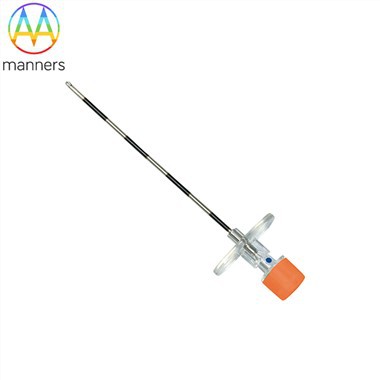
Bottle Negative Pressure Needs A Clean Entry
Oct 17, 2026
The Pain: Full Bottle, Dry Wound
The Redon bottle is collapsed, but the wound looks tense. Fluid leaked in through a bad needle tract. Suction exists, but not at the wound bed. The patient is uncomfortable, and the nurse is confused.
The pain is not just the wound. It is the false sense of security that comes from seeing a collapsed bottle. The system looks like it is working, but it is not. The wound is filling with fluid, and the drain is not removing it.
The confusion is understandable. The bottle is collapsed, which indicates negative pressure. The drain is connected, which indicates continuity. But the wound is tense, which indicates fluid accumulation. The nurse may assume that the drain is blocked or that the patient is producing more fluid than expected. The real problem is that the negative pressure is not reaching the wound bed because the seal is broken.
The seal can be broken at any point in the chain: the needle tract, the drain lumen, the connector, or the bottle. The most common point of failure is the needle tract. If the tract is too wide, air enters around the drain, and negative pressure is lost. The bottle still collapses because the pump is working, but the negative pressure is not transmitted to the wound bed.
The Principle: Seal Is a Chain
The Redon system is a chain: needle tract, drain lumen, connector, and bottle. One bad entry breaks the chain. The needle determines the first seal. If the needle creates a tract that is too wide, skin edges do not seal around the drain. Air enters the system, and negative pressure is lost.
The principle is that the seal is a chain. Every link must be intact for the system to work. The needle is the first link, and it sets the stage for the entire system.
The needle tract is the interface between the patient and the drain. A clean, snug tract seals around the drain, preventing air ingress and fluid tracking. A ragged, wide tract allows air and fluid to bypass the drain, compromising the entire system. The needle is the determinant of the tract quality.
Equipment Classification
The equipment classification for seal integrity includes needle and drain bonded kits, which provide better seal control; Luer-lock Redon connectors, which reduce accidental disconnection; and non-vented bottles, which require an intact system.
The choice of connector is also important. A Luer-lock connector provides a positive, secure connection that resists accidental disconnection. A friction-fit connector is simpler but less secure. The choice depends on the clinical setting and the risk of disconnection.
The choice of bottle is equally important. A non-vented bottle maintains negative pressure as long as the system is sealed. A vented bottle allows air to enter, which reduces negative pressure. The choice depends on the clinical requirement.
Practical Guide
The practical guide is to test the bottle before closure. Check the connector click. Tape the exit site without kinking the drain. Teach nurses to recognize false suction. A collapsed bottle does not always mean a working system.
The surgeon should also verify the needle tract before placing the drain. The tract should be snug around the drain, with no visible gaps. If the tract is too wide, the surgeon should consider using a smaller drain or a different needle. The goal is a seal that prevents air ingress and fluid tracking.
Postoperative monitoring is equally important. The nurse should check the bottle regularly and document the output. The nurse should also check the exit site for signs of leakage, redness, or swelling. If the output is low but the wound is tense, the nurse should suspect a seal failure and notify the surgeon.
Real-World Experience
A surgical ward trained nurses to test Redon systems intraoperatively with the surgeon. Readmission for fluid collection dropped. The training was simple: check the bottle, check the connector, check the exit site, and document.
Another institution, a large general hospital, implemented a standardized Redon system checklist. The checklist included verification of the needle tract, the connector, the bottle, and the exit site. The checklist was used by both the surgeon and the nurse. Within six months, the hospital reported a significant reduction in drain-related complications.
A third institution, a private clinic, adopted bonded needle-drain kits. The kits eliminated the possibility of connector failure and simplified the placement procedure. The clinic reported improved outcomes and reduced staff time.
The common thread across these experiences is that seal integrity is a system property. It requires attention at every point in the chain.
Summary
Negative pressure is only as good as the first hole in the skin. The needle is the first link in the chain.
Outlook & Suggestions
Color-coded connectors and anti-disconnect locks will reduce ward errors in the future. Needle quality remains the unseen hero.
The next generation of Redon systems may include pressure sensors that monitor the seal in real time. Some manufacturers are exploring wireless connectivity that alerts nurses to seal failures. Others are developing self-sealing needle tracts that close around the drain automatically. These innovations will make seal failures a thing of the past.
For hospitals, the most practical suggestion is to implement a Redon system checklist and train all staff on its use. The checklist should include verification of the needle tract, the connector, the bottle, and the exit site.