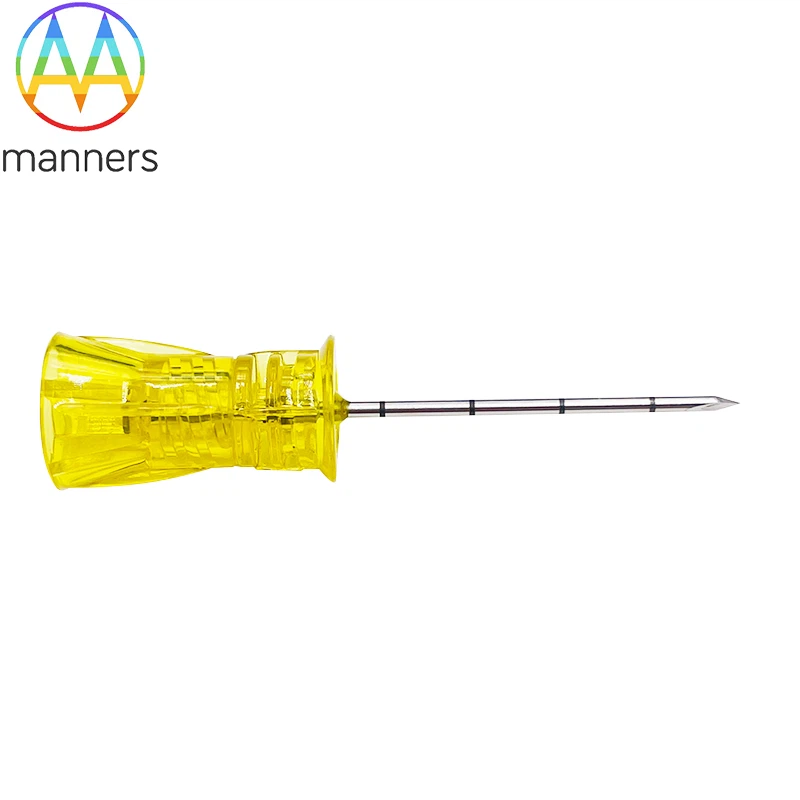
Bone Marrow Blood Puncture Needle
Dec 08, 2022
Subcutaneous and subperiosteal fluid. The most common cause is subcutaneous and subperiosteal fluid extravasation at the puncture site, especially in the case of pressurized infusion or prolonged application. The exosmosis of irritating liquid containing sodium bicarbonate may cause local inflammation or infection in minor cases, or lead to tissue necrosis in severe cases. At this time, IO should be terminated and local pressure bandaging can be performed. The incidence of local cellulitis and subcutaneous abscess caused by infusion extravasation and infiltration was 0.7%. Fluid extravasation may also occur in bone injuries with cortical fractures, and the affected bone should not be punctured.
Broken bones. Relatively rare.
Other. These included reports of sternal penetration with mediastinitis, subperiosteal infusion, bone marrow injury, intrarticular misplacement, local skin infection, pin loosening, pin breakage, infant growth plate injury, sepsis, and potential fat embolism.
According to histological and radiological changes of bone marrow after infusion, hypertonic solution can cause bone marrow necrosis and fibrin deposition, and increase periosteum reaction. Histological examination of experimental animals with adverse reactions showed that sternal trabeculae and bone marrow fat were not damaged, but hematopoietic cells disappeared or decreased 1~2 days after infusion, and 2~6 weeks after injection, bone samples at the injection site showed that the oligocytic area had been replaced by fibrous tissue, and the above changes were only observed within the diameter of 0.6 cm at the injection site. There was no functional or histological evidence of pulmonary embolism, and the physiological effects were mild.