Analysis Of Clinical Application Progress And Surgical Outcomes
Apr 22, 2026
Arthroscopic Conical Shaver Blades + Manners Technology: Analysis of Clinical Application Progress and Surgical Outcomes
As a pivotal tool in minimally invasive orthopedic surgery, the arthroscopic conical shaver blade plays an irreplaceable role across various procedures, including knee, shoulder, and hip arthroscopy. Manners Technology's products demonstrate significant advantages in clinical applications through their unique design and precision manufacturing processes, driving progress and development in arthroscopic surgical techniques.
Scope of Surgical Applications
The arthroscopic conical shaver blade is primarily utilized in knee, shoulder, hip, and ankle arthroscopic surgeries. In knee procedures, it is employed for meniscus repair, cartilage debridement, and synovectomy. In shoulder surgery, it facilitates rotator cuff repair and labral repair, while in hip surgery, it is instrumental in treating femoroacetabular impingement (FAI). Market data from 2024 indicates that knee surgeries alone accounted for 45.23% of arthroscopic equipment revenues, underscoring the high incidence of knee injuries and the maturity of arthroscopic protocols for this joint.
Core Functional Advantages in Surgery
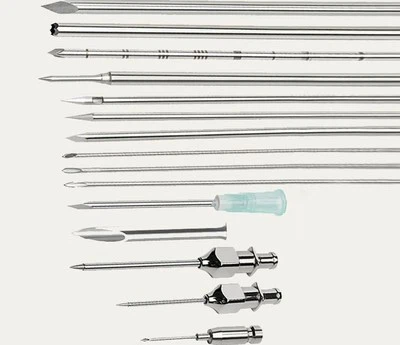
The core function of Manners Technology's conical shaver blades in surgery is the precise excision of pathological tissues. The product's conical tip design facilitates easy access to joint spaces while minimizing surgical trauma. The elliptical outer window design reduces the risk of tissue clogging, thereby improving surgical efficiency. Furthermore, the dual inner cutting windows ensure clean and efficient tissue resection, optimizing surgical outcomes. These design features enable the product to perform exceptionally in clinical applications, meeting the demands of diverse surgical scenarios.
Clinical Outcomes and Patient Benefits
Compared to traditional open surgery, arthroscopic procedures offer distinct advantages. Minimally invasive arthroscopy enters the joint through small incisions (typically 0.5-1 cm), significantly reducing postoperative pain and scar formation. Patients experience short recovery cycles, often allowing for ambulation within 1-3 days post-surgery and a return to daily activities within 2-4 weeks. This rapid recovery profile is particularly beneficial for young patients and athletes seeking to restore their athletic capabilities quickly.
Precision Manufacturing and Safety
Manners Technology excels in enhancing surgical precision. The application of 5-axis CNC machining, 5-axis laser cutting, and 5-axis CNC grinding centers ensures high precision and consistency of the blades. Furthermore, electropolishing and ultrasonic cleaning technologies provide a smooth, clean surface finish, reducing tissue friction and the risk of bacterial adhesion. These precision manufacturing processes collectively ensure surgical accuracy and safety while lowering the risk of complications.
Specific Applications in Different Joints
Knee Arthroscopy: Manners Technology's conical shaver blades are particularly effective for addressing hard-to-reach areas, such as the posterior horn of the meniscus. Where traditional instruments might struggle, the conical design allows for easier navigation to the lesion site, improving repair efficacy.
Shoulder Arthroscopy: The small-joint specific design is ideal for precise manipulation in confined spaces, such as the subacromial space or glenoid rim, reducing the risk of damage to surrounding tissues during procedures like acromioplasty or labral repair.
Hip Arthroscopy: The specialized long-handle design meets the demands of deep hip joint operations. The conical tip facilitates entry into the hip joint capsule with minimal trauma, proving effective in osteophyte debridement and chondroplasty.
Operational Standards and Best Practices
Strict adherence to operational protocols is essential when using these instruments:
Preoperative: Verify blade integrity, ensure the drive shaft is free of bends, connect to the console (e.g., Arthrex, Smith & Nephew systems), and calibrate the speed.
Intraoperative: Adjust rotation speed appropriately (typically ≤3,000 rpm for soft tissue; higher for calcified tissue). Operate under direct arthroscopic visualization, advancing the blade gently to avoid excessive force that could damage ligaments or healthy cartilage.
Postoperative: Dispose of single-use blades immediately. Reusable components (if applicable) require thorough cleaning and sterilization according to protocol.
Technological Innovation and Future Trends
Technological advancements are expanding clinical possibilities. Modern arthroscopic shavers are evolving towards intelligence and multifunctionality. Innovations such as radiofrequency-assisted shavers integrate ablation capabilities for simultaneous hemostasis and cutting. Navigation systems combined with 3D imaging enable surgical path planning and real-time localization. Manners Technology is actively developing products compatible with these advanced technologies to broaden the scope and depth of clinical applications.
Prognosis and Rehabilitation
Arthroscopic surgery better preserves the biomechanical functions of the joint-including load transmission, shock absorption, and stability. Minimally invasive repair maximizes the retention of these functions, delaying the onset of osteoarthritis. Studies confirm that arthroscopy restores normal lower limb biomechanics, reducing the incidence of traumatic osteoarthritis. Combined with modern rehabilitation protocols, patients benefit from early mobilization, avoiding the complications associated with prolonged immobilization in traditional open surgeries.
Conclusion
In summary, Manners Technology's arthroscopic conical shaver blades demonstrate significant advantages in clinical applications, driving progress in arthroscopic surgical techniques. With the popularization of minimally invasive concepts and increasing patient awareness regarding joint preservation, arthroscopic surgery is set to become the preferred treatment for joint injuries. Manners Technology provides robust technical support for this trend through continuous innovation and product optimization.